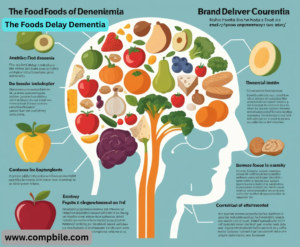
The Foods Delay Dementia Of course. The idea that “Foods Delay Dementia” is a powerful and active area of scientific research. While no single food is a magic bullet, a growing body of evidence strongly suggests that a consistent pattern of eating, often called a “brain-healthy diet,” can significantly slow cognitive decline and reduce the risk of developing dementia. Here’s a breakdown of how food impacts brain health and which foods are most beneficial.
The Core Concept: How Diet Protects the Brain
A brain-healthy diet works in several key ways:
- Reducing Inflammation: Chronic inflammation is a key driver of brain cell damage. Anti-inflammatory foods help counteract this.
- Combating Oxidative Stress: The brain is vulnerable to damage from free radicals. Antioxidants in food neutralize these harmful compounds.
- Improving Vascular Health: What’s good for the heart is good for the brain. A healthy cardiovascular system ensures a steady flow of oxygen and nutrients to the brain.
- Supporting the Gut-Brain Axis: A healthy gut microbiome, influenced by diet, communicates directly with the brain and can reduce inflammation.
The Champion Dietary Pattern: The MIND Diet
- The most well-researched diet for brain health is the MIND diet (Mediterranean-DASH Intervention for Neurodegenerative Delay). It combines elements of the Mediterranean and DASH (Dietary Approaches to Stop Hypertension) diets.
- The MIND diet specifically identifies 10 brain-healthy food groups to embrace and 5 unhealthy food groups to limit.
Foods to Emphasize
- Leafy Green Vegetables (e.g., spinach, kale, collards)
- Why: Packed with brain-protective nutrients like vitamin K, lutein, and folate.
- Goal: At least 6 servings per week.
Other Vegetables
- Why: A diverse intake provides a wide range of antioxidants and vitamins.
- Goal: At least one serving per day.
Berries (especially blueberries and strawberries)
- Why: They are exceptionally high in flavonoids, potent antioxidants that have been shown to improve memory.
- Goal: At least 2 servings per week.
Nuts
- Why: A great source of healthy fats, vitamin E, and antioxidants.
- Goal: At least 5 servings per week.
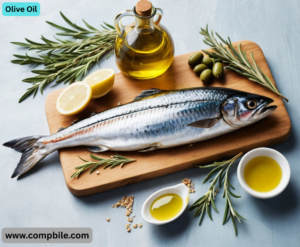
Olive Oil
- The Foods Delay Dementia Why: The primary source of fat in the MIND diet, rich in monounsaturated fats and antioxidants.
- Goal: Use as your main cooking oil.
- Whole Grains (e.g., oatmeal, quinoa, brown rice)
- Why: Provide steady energy for the brain and are rich in fiber and B vitamins.
- Goal: At least 3 servings per day.
- Fish (especially fatty fish like salmon, mackerel, sardines)
- Why: Excellent source of omega-3 fatty acids (DHA and EPA), which are crucial for building brain cells and fighting inflammation.
- Goal: At least once per week.
Beans & Legumes (e.g., lentils, chickpeas, black beans)
- Why: High in fiber and protein, which help stabilize blood sugar, and rich in B vitamins.
- Goal: At least 4 servings per week.
- Poultry (e.g., chicken, turkey)
- Why: A lean source of protein.
- Goal: At least 2 times per week.
Wine
- Why: In moderation, red wine contains resveratrol, an antioxidant that may protect against cell damage.
- Goal: No more than one glass per day (this is optional and should be discussed with a doctor).
Foods to Limit
- Butter and Margarine: Limit to less than 1 tablespoon per day.
- Cheese: Limit to less than one serving per week.
- Red Meat: Limit to no more than 3 servings per week.
- Fried Food: Limit to less than one serving per week.
- Pastries and Sweets: Limit to less than 4 times per week.
- These “limit” foods are high in saturated and trans fats, which can promote inflammation and harmful plaque buildup in the brain (similar to in the heart).
Other Key Nutrients & Foods for Brain Health
- Flavonoids: Found in dark chocolate (70%+ cocoa), tea, citrus fruits, and onions.
- Turmeric: The active compound, curcumin, has strong anti-inflammatory and antioxidant properties.
- Coffee: Caffeine and antioxidants in coffee may help protect the brain, though moderation is key.
- Water: Dehydration can acutely impair concentration and memory. Staying hydrated is fundamental.
Important Caveats
- The Foods Delay Dementia It’s a Pattern, Not a Pill: You can’t “undo” a bad diet by eating a salad once a week. Consistency over years is what makes the difference.
- Part of a Holistic Lifestyle: Diet is just one piece of the puzzle. It works best when combined with:
- Regular physical exercise
- Mental stimulation (learning, puzzles, reading)
- Quality sleep
- Strong social connections
- Managing stress
The Deep Dive: How Specific Foods Act on the Brain
Omega-3 Fatty Acids (DHA & EPA): The Brain’s Building Blocks
- Mechanism: DHA is a major structural component of the cerebral cortex, the brain’s “thinking” center. It helps maintain cell membrane fluidity, allowing neurons to communicate effectively. It also directly produces compounds that resolve inflammation (called resolvins and protectins).
- Beyond Salmon: Mackerel, herring, sardines, oysters, flaxseeds, chia seeds, and walnuts.
- Flavonoids & Polyphenols: The Antioxidant Warriors
- Mechanism: These compounds do more than just fight oxidative stress. They:
- Increase Blood Flow: They stimulate blood flow to the brain, delivering more oxygen and nutrients.
- Boost Neuroplasticity: They can stimulate the production of Brain-Derived Neurotrophic Factor (BDNF), a protein that acts like fertilizer for brain cells, promoting the growth of new neurons and the connections (synapses) between them.
- Powerful Sources: Berries (especially dark ones like blackberries and blueberries), dark cocoa, green tea, citrus fruits, red cabbage, and onions.
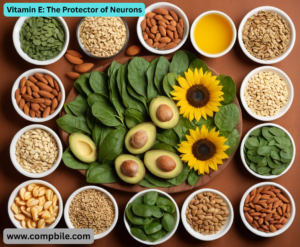
Vitamin E: The Protector of Neurons
- Mechanism: As a fat-soluble antioxidant, Vitamin E is uniquely positioned to protect the fatty cell membranes of neurons from free radical damage. This “lipid peroxidation” is a key step in neuronal degeneration.
- Best Sources: Nuts (especially almonds), seeds (sunflower seeds), spinach, avocados, and whole grains.
B Vitamins: The Homocysteine Regulators
- Mechanism: Vitamins B6, B12, and Folate (B9) are crucial for breaking down an amino acid called homocysteine. High levels of homocysteine in the blood are a strong risk factor for vascular dementia and Alzheimer’s disease, as it can damage blood vessels and be directly toxic to neurons.
- Sources: Leafy greens (folate), legumes (folate, B6), eggs (B12), and fortified cereals.
The Gut-Brain Axis: The Fascinating New Frontier
- The Foods Delay Dementia This is a critical and often overlooked aspect. Your gut and brain are in constant communication via the vagus nerve and through inflammatory messengers.
- The Problem: A diet high in processed foods, sugar, and unhealthy fats promotes the growth of “bad” gut bacteria. These bacteria can produce inflammatory molecules (like LPS – lipopolysaccharides) that leak into the bloodstream, triggering body-wide inflammation that can cross the blood-brain barrier and damage neurons.
- Prebiotics (Food for Good Bacteria): Garlic, onions, leeks, asparagus, bananas, oats, artichokes.
- Probiotics (The Good Bacteria Themselves): Yogurt (with live cultures), kefir, kimchi, sauerkraut, kombucha, miso.
- A healthy gut microbiome actually produces beneficial compounds like short-chain fatty acids (e.g., butyrate) from fiber, which have anti-inflammatory effects in the brain.
Addressing Practical Challenges & Myths
- Reality: Research shows it’s never too late. While starting early is ideal, improvements in diet in mid-life and even later can still yield significant cognitive benefits and slow the rate of decline.
- Myth 2: “It’s too expensive and complicated.”
Reality:
- Frozen is Fantastic: Frozen berries and vegetables are just as nutritious as fresh, often more affordable, and reduce food waste.
- Canned Fish is a Win: Canned salmon, sardines, and light tuna (in water) are inexpensive, shelf-stable sources of omega-3s.
- Start with Small Swaps: You don’t need a complete overhaul. Start by adding one serving of leafy greens a day, or swapping white bread for whole grain.
- Challenge: “I don’t have time to cook.”
Solutions:
- Batch Cooking: Cook a large portion of quinoa or brown rice on Sunday to use throughout the week.
- Simple Meals: A brain-healthy meal can be as simple as a large salad with canned chickpeas, pumpkin seeds, and a olive oil-lemon juice dressing.
- Smoothies: Blend spinach, frozen berries, a tablespoon of flaxseed, and plain yogurt for a powerful brain-boosting breakfast on the go.
A Sample “Brain-Boosting” Day of Meals
- Breakfast: Oatmeal made with rolled oats, topped with a handful of blueberries and walnuts.
- Lunch: A large “Mediterranean” salad with mixed greens, chickpeas, cucumber, cherry tomatoes, red onion, feta cheese (a small amount), grilled chicken, and a drizzle of olive oil and balsamic vinegar.
- Snack: A small handful of almonds and a square of dark chocolate (70%+ cocoa).
- Beverage: Water, green tea, or coffee throughout the day.