
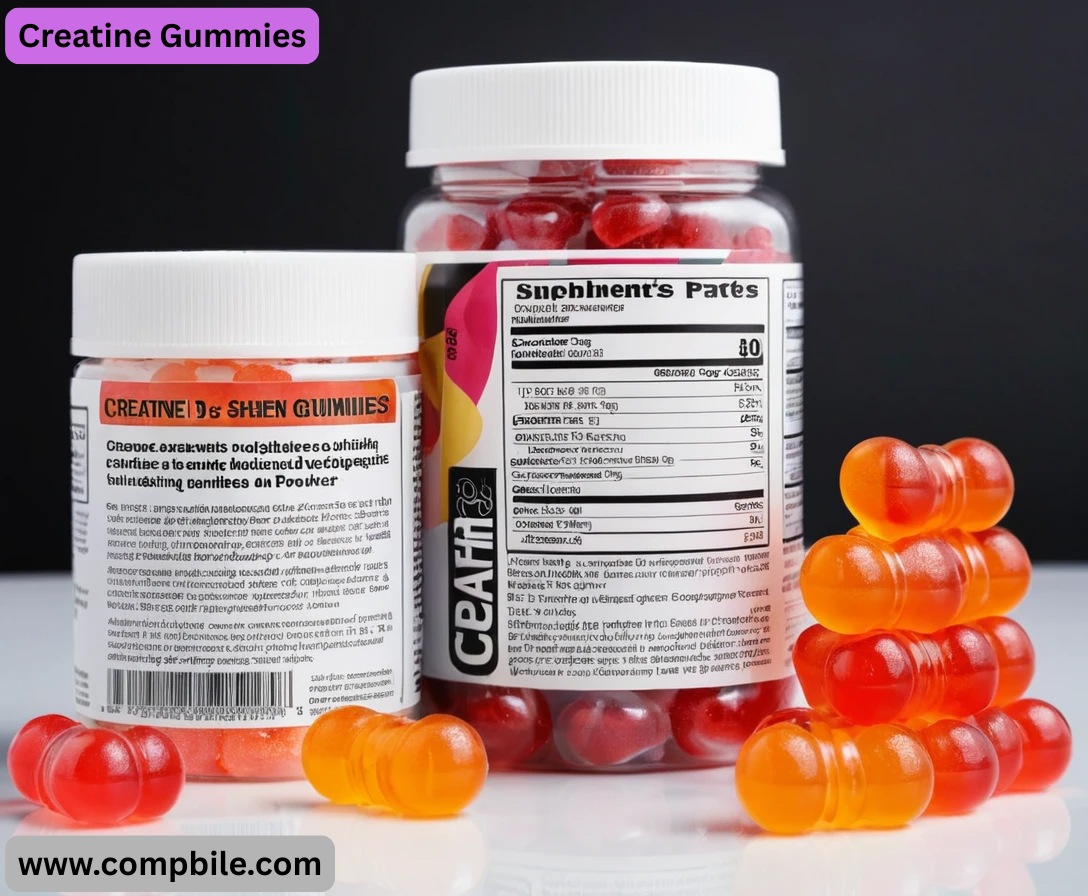
Creatine Gummies Of course! Here is a comprehensive overview of creatine gummies, including their pros, cons, and how they compare to the traditional powder form.
What Are Creatine Gummies?
- Creatine gummies are a chewable, gummy candy format of the popular sports supplement creatine monohydrate. They are marketed as a more convenient and palatable alternative to creatine powder, which is typically mixed into water or a shake.
Pros of Creatine Gummies
- Extreme Convenience: This is their biggest selling point. They are pre-dosed, portable, and require no mixing. You can just pop them in your mouth and go. This is ideal for travel or taking to the gym.
- Great Taste: For people who dislike the chalky, bland taste of creatine powder, gummies are a game-changer. They come in a variety of fruit flavors and taste like candy.
- No Mixing or Clumping: Creatine powder is notorious for not dissolving completely, leaving a gritty texture. Gummies
- eliminate this problem entirely.
- Easier for Those Who Struggle with Powders: If you have a sensitive gag reflex or just a strong aversion to the texture of supplements, gummies are a much easier way to get your dose.
Cons of Creatine Gummies
- Lower Creatine per Serving: This is the most significant drawback. To form a gummy, manufacturers have to use a lot of other ingredients (gelatin, sugar, etc.). This often means you get less creatine per gummy.
- Typical Dose: A standard dose of creatine is 3-5 grams. Many gummies provide only 1-2 grams per serving (which might be 2-4 gummies). You may need to eat a large number of gummies to hit your effective daily dose, which becomes expensive.
- Cost Inefficiency: Gram for gram, creatine gummies are almost always significantly more expensive than pure creatine monohydrate powder. You are paying a premium for the convenience and flavor.
- Added Sugar and Calories: To make them taste good, gummies often contain added sugar, corn syrup, or other sweeteners. If you’re taking multiple gummies daily, this can add up in calories and sugar intake, which might not align with your fitness goals.
- Other Unnecessary Ingredients: Gummies contain fillers, colorings, and binding agents that you simply don’t get with a pure powder.
- Dosing Can Be Misleading: Always check the label. A bottle might say “5g of Creatine” on the front, but that could be the amount for the entire bottle, not per serving. You must read the “Supplement Facts” panel carefully.
Who Are Creatine Gummies Best For?
Creatine gummies are a good fit for a specific type of user:
- The Extremely Busy Person: Someone who is always on the go and values convenience above all else.
- The Taste-Sensitive Individual: Someone who has tried powder and simply can’t stand the taste or texture.
- Teens or Younger Athletes: They can be an easier way to introduce someone to supplementation, as they are more palatable.
- Casual Gym-Goers: Someone who isn’t as concerned with maximizing cost-efficiency and just wants a simple, tasty supplement.
Who Should Stick with Powder?
- Serious Athletes & Bodybuilders: For anyone focused on performance and value, powder is the undisputed king. It’s the most studied, purest, and cost-effective form.
- Anyone on a Tight Budget: Powder offers the best value by a massive margin.
- People Watching Their Sugar/Calorie Intake: Powder allows you to avoid the unnecessary additives in gummies.

Detailed Breakdown: What to Look For on the Label
- When evaluating any creatine gummy, the Supplement Facts panel is your most important tool. Here’s what to scrutinize:
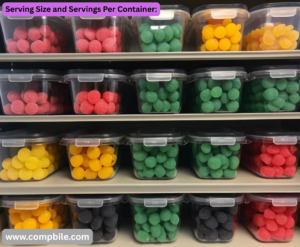
Serving Size and Servings Per Container:
- This is where they can be deceptive. A bottle might have 60 gummies, but the serving size could be 3 gummies. That means you only get 20 servings, not 60.
Creatine Amount Per Serving:
- Crucial: Look for the line that says “Creatine (as Creatine Monohydrate)” or something similar. This tells you the actual creatine content.
- The Math: If a serving is 2 gummies and provides 2.5g of creatine, and your target is 5g per day, you need to take 4 gummies daily. Calculate how long the bottle will truly last you.
Total Carbohydrates & Added Sugars:
Gummies need sugar to taste good. Look at the “Added Sugars” line.
- Example: If a serving of 2 gummies has 8g of added sugar, and you need 4 gummies to hit your creatine dose, that’s 16g of sugar just from your supplement. For context, the American Heart Association recommends max 36g of added sugar per day for men and 25g for women.
Other Ingredients:
- Sweeteners: Look for common ones like cane sugar, tapioca syrup, organic agave, etc. Some may use sugar alcohols (like maltitol) or artificial sweeteners (like sucralose/Splenda) which can cause digestive upset in some people.
- Gelling Agents: Gelatin (not vegan) or pectin (often vegan-friendly) are standard.
- Colors & Flavors: “Natural Flavors and Colors” are common. “Artificial Flavors” are less desirable for those seeking clean ingredients.
Look at Popular Creatine Gummy Brands (For Illustration)
- Note: Formulas change, so always check the current label.
VitaRaw Creatine Gummies:
- Claim: Often marketed as one of the first and most popular.
- Typical Dose: ~2.5g of creatine per serving (2 gummies).
- Considerations: You’d need 4 gummies for a 5g dose. Contains organic tapioca syrup and cane sugar.
Hone Creatine Gummies:
- Claim: Focus on “better-for-you” ingredients.
- Typical Dose: ~2g of creatine per serving (2 gummies).
- Considerations: Lower creatine content means you might need 5-6 gummies for a full dose.
Cellular Creatine Gummies: - Claim: Often use Creatine Monohydrate and focus on a clean profile.
- Typical Dose: Varies, but often in the 1-2g per serving range.
- Considerations: Similar to others, dosing multiple gummies is common.
Advanced Considerations & FAQs
Are there “Sugar-Free” Creatine Gummies?
- Yes, some brands offer sugar-free versions sweetened with alternatives like allulose, stevia, or sugar alcohols (e.g., maltitol). Be cautious, as some sugar alcohols can cause bloating, gas, or digestive discomfort, especially in larger quantities.
Do they require a “Loading Phase”?
- No. The standard creatine loading protocol (20g per day for 5-7 days) isoptional, regardless of the form. You can achieve the same muscle saturation by taking a standard 3-5g dose daily from the start; it just takes a few days longer. With gummies, a loading phase would be incredibly expensive and involve eating a very large number of gummies, which is not practical.
What about other forms of creatine in gummies?
While Creatine Monohydrate is the gold standard and most common, you might see others:
- Creatine HCL (Hydrochloride): Claimed to be more soluble and require a smaller dose (e.g., 1-2g), which could be a better fit for the gummy format. However, the evidence for its superiority over monohydrate is much weaker.
- Creatine Magnesium Chelate: Another alternative, but monohydrate has the most extensive research backing its efficacy.
The Vegan Concern
- Traditional gummies are made with gelatin, which is derived from animal collagen (usually pork or beef). Vegans must look for gummies specifically made with pectin, a plant-based gelling agent.
The “Stomach Upset” Myth
- A common reason people cite for choosing gummies or other forms is that creatine monohydrate causes bloating or stomach cramps. For the vast majority of people, this is caused by:
- Improper Mixing: Drinking gritty, undissolved creatine.
Taking it on an empty stomach.
- Not drinking enough water.
- Gummies circumvent the mixing issue, which may help some people. However, the sugar or sugar alcohols in gummies can themselves cause digestive issues for others.