
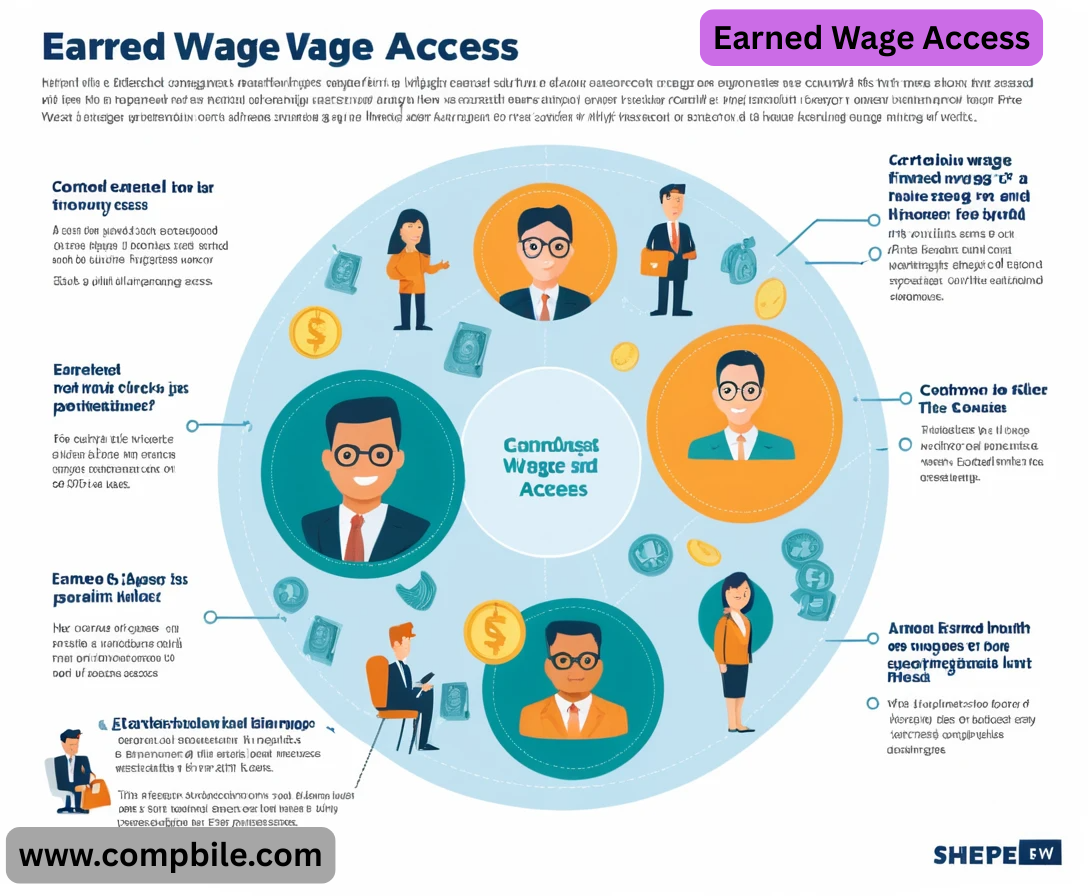
Earned Wage Access Of course. This is a hot topic in the world of HR, fintech, and personal finance. Here’s a comprehensive breakdown of Earned Wage Access (EWA).

What is Earned Wage Access (EWA)?
- Earned Wage Access (EWA), also known as On-Demand Pay, is a service that allows employees to access a portion of their already earned wages before their scheduled payday.
- Think of it as: “You’ve already worked and earned the money, so why should you have to wait until payday to get it?”
- It’s fundamentally different from a traditional payday loan because it’s not a loan of future money; it’s an advance on wages you have already accrued.
How Does It Work?
- The process is typically digital and integrated into a company’s payroll or a dedicated app:
- Work & Accrue Wages: An employee works their shifts, and their earnings accumulate in real-time.
- Request an Advance: The employee logs into an EWA app (provided by their employer) and can see the exact amount they have earned so far in the pay period. They can then request to withdraw a portion of that amount (e.g., up to 50-80%).
- Instant Transfer: The funds are transferred, often within minutes or hours, to the employee’s bank account, debit card, or a dedicated digital wallet.
- Payday Reconciliation: On the traditional payday, the employee receives their regular paycheck, minus the amount they have already withdrawn. Fees for the service (if any) are also deducted.
Key Models of EWA
- There are two primary business models:
- Employer-Sponsored (B2B2C):
- The employer partners with an EWA provider (like DailyPay, Instant Financial, or Even).
- The employer typically pays a fee to offer this as a free or low-cost benefit to employees.
- This is seen as a valuable employee benefit and a tool for recruitment and retention.
Direct-to-Consumer (D2C):
- Employees sign up directly with an EWA app (like EarnIn or Dave).
- These apps connect to the user’s bank account to verify income and hours worked.
- The user typically pays a voluntary “tip” or a mandatory subscription fee for the service.
The Pros and Cons
- Advantages (The “For” Argument)
For Employees:
- Financial Wellness: Helps avoid costly overdraft fees, payday loans, or late payment penalties on bills.
- Reduces Financial Stress: Provides a safety net for unexpected expenses, leading to improved mental well-being.
- Convenience and Control: Gives employees more control over their cash flow.
- Breaks the Paycheck-to-Paycheck Cycle: Can help employees manage finances between pay periods more effectively.
For Employers:
- Powerful Recruitment & Retention Tool: A highly valued benefit, especially for hourly and frontline workers.
- Increased Productivity: Financially stressed employees are often distracted. EWA can help them focus better at work.
- Modernizes the Payroll System: Aligns with the “on-demand” economy and employee expectations.
Disadvantages and Criticisms (The “Against” Argument)
- Potential for Fees: While many employer-sponsored plans are free, some D2C models have high “tips” or subscription fees that can be predatory if not managed carefully.
- Doesn’t Solve Underlying Issues: Critics argue EWA treats a symptom (cash flow timing) rather than the disease (low wages or poor financial literacy). It doesn’t make an employee’s total compensation any higher.
- Risk of Over-Reliance: Employees might become dependent on early access, making it harder to budget for a full two-week pay cycle.
- Regulatory Uncertainty: The industry is new and regulators (like the CFPB in the US) are still determining how to classify and oversee these services to protect consumers.

The Future of EWA
- EWA is growing rapidly and is becoming a standard expectation for many workers. The future likely holds:
- Tighter Regulation: Clearer rules from governments to ensure consumer protection.
- Deeper Integration: EWA will be bundled with other financial wellness tools like budgeting advice, savings accounts, and bill management.
- Global Expansion: The model is spreading from the US and UK to other markets around the world.
The EWA Ecosystem: Key Players and Technologies
The EWA market has evolved into a sophisticated ecosystem with several types of providers:
The Technology-Enabled Payroll Integrators:
- These are the major players that partner directly with employers and integrate with HCM (Human Capital Management) systems like Workday, ADP, and UKG.
Examples: DailyPay, Instant Financial, Branch, Payactiv.
- How they work: They use API connections to pull real-time hours-worked data from the employer’s time and attendance system. This allows them to calculate precisely what an employee has earned at any given moment.
The Direct-to-Consumer (D2C) Fintech Apps:
- These apps target consumers directly, often bypassing the employer.
- Examples: EarnIn, Dave, MoneyLion.
- How they work: They connect to a user’s bank account to analyze transaction history and direct deposit patterns to estimate earned wages. This method is less precise than a direct payroll integration and may have lower access limits.
The Neobank & Embedded Finance Providers:
- These companies are bundling EWA into a broader suite of financial services.
- Examples: Chime (with its “MyPay” feature for partner employers), Current.
- How they work: They offer a checking account and then layer EWA on top as a premium feature, often for a monthly subscription fee. This creates a sticky financial ecosystem for the user.
The Traditional Financial Institutions:
Banks are now entering the fray to avoid disintermediation.
- Examples: Some regional banks and credit unions are beginning to offer “early payday” features, often by processing direct deposits as soon as they receive the file from the employer (a day or two early).
- Note: This is subtly different from true EWA, as it’s based on the entire paycheck and its timing, not a partial draw mid-cycle.
The Data and Impact: What the Numbers Say
The adoption and effect of EWA are backed by growing research:
- Retention & Recruitment: A study by the Aite-Novarica Group found that 78% of employees said EWA would make them more likely to stay with an employer. Another study by DailyPay found that companies offering EWA saw a 41% reduction in voluntary attrition.
- User Demographics: It’s most popular among hourly workers, frontline employees, and those in retail, manufacturing, healthcare, and hospitality—populations most vulnerable to cash-flow shortages.
- Financial Health: A report from the Consumer Financial Protection Bureau (CFPB) found that EWA users experienced a reduction in overdraft fees and payday loan usage. However, they also noted the need for clear disclosures to prevent misuse.
- Adoption Rates: According to NelsonHall, over 80% of large enterprises (10,000+ employees) are either piloting, implementing, or have already deployed an EWA solution.
Advanced Considerations and Future Trends
The “Fringe Benefit Tax” Question:
- In some countries, there was initial confusion about whether early access to wages could be considered a taxable benefit. The consensus in the U.S. and other major markets is now clear: EWA is not a loan or a benefit; it is simply wages. Therefore, it is subject to the standard payroll taxes when the funds are ultimately paid on the regular payday.
The “Just-in-Time” Upskilling:
- Forward-thinking EWA providers are integrating micro-learning and upskilling platforms. An employee can complete a 5-minute training module on safety or compliance during a break and get a small monetary bonus deposited instantly via the EWA system. This boosts engagement and skills development.