

Japandi Of course! Let’s dive into the world of Japandi.
Japandi is a design style that beautifully merges the minimalist elegance of Japanese aesthetics with the cozy, functional simplicity of Scandinavian Di design (hence the name, Japandi). It’s not just a trend; it’s a philosophy of living that focuses on harmony, tranquility, and mindful consumption.

The Core Philosophy: “Wabi-Sabi” meets “Hygge”
At its heart, Japandi is a meeting of two similar yet distinct philosophies:
- Japanese Wabi-Sabi: Celebrates the beauty of imperfection, impermanence, and authenticity. It finds charm in natural irregularities, weathered textures, and handmade items.
- Scandinavian Hygge: Is about creating a feeling of cozy contentment and well-being. It’s about comfort, warmth, and enjoying the simple, quiet moments of life.
- Together, they create a style that is both aesthetically serene and deeply comforting.
Key Characteristics of Japandi Style
You can identify a Japandi space by these defining elements:
Neutral and Earthy Color Palette
- Base Colors: Soft, light, and neutral. Think off-whites, light grays, and beige. This reflects the Scandinavian need for light during dark winters.
- Accent Colors: Warm, earthy tones inspired by nature. These include muted greens, browns, clay, and oatmeal. Black is sometimes used sparingly for definition.
Natural Materials and Textures
- This is non-negotiable in Japandi. The focus is on the raw, authentic feel of materials.
- Wood: Light-toned woods like ash, oak, and pine (Scandinavian) are paired with darker, richer woods like walnut and teak (Japanese).
- Textiles: Linen, cotton, wool, and hemp in neutral colors. Texture is key to adding visual interest and warmth.
- Other Materials: Bamboo, rattan, paper (like shoji screens), and stone.
Clean Lines and Functional Furniture
- Lines: Furniture features clean, straight lines (from Japanese design) with occasional soft, organic curves (from Scandinavian design).
- Function: Every piece has a purpose. Furniture is often low-profile, modular, and multi-functional. The form always follows the function.
- Craftsmanship: There is a strong emphasis on quality, durability, and visible craftsmanship, celebrating the work of the artisan.
Clutter-Free Minimalism
- Japandi spaces are serene and uncluttered. This comes from the Japanese concept of “Ma” (negative space), which values the empty space between objects as much as the objects themselves. Everything has a designated place.
Ample Light and Connection to Nature
- Natural Light: Large windows are key, often with simple, sheer curtains or no curtains at all to let in maximum light.
- Artificial Light: Soft, warm, and indirect lighting is used to create a hygge atmosphere. Paper lanterns and minimalist floor lamps are common.
- Greenery: Indoor plants are essential. They bring life, color, and a direct connection to nature. Choices are often minimalist, like a bonsai tree or a single branch in a vase.
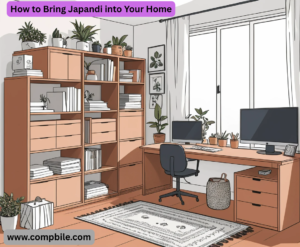
How to Bring Japandi into Your Home
- Declutter Ruthlessly: Embrace minimalism. Keep only what you need and love.
- Choose a Neutral Base: Paint your walls a warm white or light grey.
- Incorporate Wood: Add furniture or accessories in light oak and darker walnut.
- Add Texture: Layer a chunky linen throw, a wool rug, and a rattan basket.
- Select a Statement Piece: Instead of many decorations, choose one beautiful, handcrafted ceramic vase or a piece of art.
- Lighting is Key: Replace harsh overhead lights with warm-toned bulbs in a simple paper pendant lamp.
- Bring in Nature: Add a few carefully selected green plants.
The Deeper Principles: More Than Just Aesthetics
Japandi is a mindset. Here are the core principles that drive the design choices:
- Ikigai (Reason for Being): Your home should support your purpose and joy. Every item in a Japandi space should have a reason for being there, whether it’s functional or it sparks genuine happiness.
- Ma (Negative Space): This is arguably the most important concept. It’s not just “blank space”; it’s a active design element that gives the objects around it room to breathe and be appreciated. It reduces visual noise and creates tranquility.
- Kanso (Simplicity): Elimination of clutter and ornamentation. It’s about striving for simplicity by removing the non-essential.
- Shizen (Naturalness): Avoids the artificial and forced. Objects should appear natural and unforced, as if they belong exactly where they are.

Room-by-Room Japandi Guide
Japandi Living Room
- Furniture: A low-profile, modular sofa in a neutral linen fabric. A coffee table made of solid wood with a visible grain. Avoid bulky entertainment centers; opt for a simple media console.
- Layout: Open and airy. Furniture is arranged to facilitate conversation and flow, not to face a TV as the sole focus.
- Decor: A single, large piece of abstract art in earthy tones. A tall, graceful floor lamp with a paper or linen shade. A chunky, hand-knitted throw blanket draped over the sofa. A rattan basket for storing blankets.
Japandi Bedroom
- Bed: A low-platform bed made of solid wood, often with a slatted headboard. The goal is to feel grounded.
- Bedding: High-quality, crisp linen sheets in off-white or oatmeal. Layer with a textured wool or cotton blanket.
- Surfaces: Nightstands are minimal—perhaps a small wood stool or a floating shelf. Surfaces are kept clear except for one or two items: a ceramic lamp, a book, a small tray with a watch.
- Lighting: Soft, warm, and dimmable. No harsh overhead lights.
Japandi Kitchen
- Cabinetry: Flat-paneled doors (Shaker style is a good bridge) in a warm, muted color like sage green, grey, or off-white. Handles are simple, often recessed or made of wood.
- Countertops: Natural materials like honed marble, quartzite, or wood butcher block. The finish is often matte, not glossy.
- Open Shelving: A few open shelves made of light wood to display beautiful, functional ceramics and dishware. This embraces the concept of “everything having its place” as a form of decoration.
- Accessories: Wooden cutting boards, ceramic canisters, and a single statement utensil crock.
Japandi Dining Room
- Table: A long, solid wood dining table that showcases the natural grain and imperfections (the wabi-sabi).
- Chairs: A mix of clean-lined wooden chairs and perhaps ones with woven rattan seats for texture. They don’t all have to match perfectly.
- Table Setting: The meal is the decoration. Use handmade pottery plates, linen napkins, and simple wood or ceramic cutlery. A single, low floral arrangement in an Ikebana style (which itself embodies Ma and asymmetry) is perfect.
Common Pitfalls & How to Avoid Them (What Japandi is NOT)
- It’s Not Sterile or Cold: The Scandinavian hygge element is crucial. Without the layers of texture and warm lighting, it can feel like a doctor’s office. Solution: Add wool rugs, knitted throws, and candlelight.
- It’s Not Cluttered with Decor: The “more is more” approach kills the Japandi vibe. Solution: Edit, edit, edit. Choose one beautiful object over ten small ones.
- It’s Not About Fast Furniture: Japandi is inherently anti-fast-fashion. It values quality and craftsmanship. Solution: Invest in one well-made piece at a time. Look for solid wood, handcrafted ceramics, and natural fibers.
- It’s Not Just Beige and Gray: While neutral, the palette is warm and earthy. Solution: Introduce muted greens (sage, olive), warm browns (terracotta, clay), and creamy off-whites to avoid a cold feel.