
Jirai Kei Of course! Let’s dive into the world of Japandi.
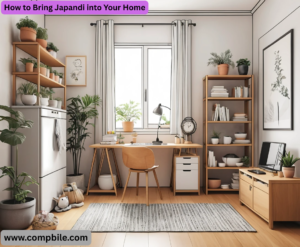
Japandi is a design style that beautifully merges the minimalist elegance of Japanese aesthetics with the cozy, functional simplicity of Scandinavian Di design (hence the name, Japandi). It’s not just a trend; it’s a philosophy of living that focuses on harmony, tranquility, and mindful consumption.
The Core Philosophy: “Wabi-Sabi” meets “Hygge”
- At its heart, Japandi is a meeting of two similar yet distinct philosophies:
- Japanese Wabi-Sabi: Celebrates the beauty of imperfection, impermanence, and authenticity. It finds charm in natural irregularities, weathered textures, and handmade items.
- Scandinavian Hygge: Is about creating a feeling of cozy contentment and well-being. It’s about comfort, warmth, and enjoying the simple, quiet moments of life.
- Together, they create a style that is both aesthetically serene and deeply comforting.
Key Characteristics of Japandi Style
You can identify a Japandi space by these defining elements:
Neutral and Earthy Color Palette
- Base Colors: Soft, light, and neutral. Think off-whites, light grays, and beige. This reflects the Scandinavian need for light during dark winters.
- Accent Colors: Warm, earthy tones inspired by nature. These include muted greens, browns, clay, and oatmeal. Black is sometimes used sparingly for definition.
Natural Materials and Textures
- This is non-negotiable in Japandi. The focus is on the raw, authentic feel of materials.
- Wood: Light-toned woods like ash, oak, and pine (Scandinavian) are paired with darker, richer woods like walnut and teak (Japanese).
- Textiles: Linen, cotton, wool, and hemp in neutral colors. Texture is key to adding visual interest and warmth.
- Other Materials: Bamboo, rattan, paper (like shoji screens), and stone.
Clean Lines and Functional Furniture
- Lines: Furniture features clean, straight lines (from Japanese design) with occasional soft, organic curves (from Scandinavian design).
- Function: Every piece has a purpose. Furniture is often low-profile, modular, and multi-functional. The form always follows the function.
- Craftsmanship: There is a strong emphasis on quality, durability, and visible craftsmanship, celebrating the work of the artisan.
Clutter-Free Minimalism
- Japandi spaces are serene and uncluttered. This comes from the Japanese concept of “Ma” (negative space), which values the empty space between objects as much as the objects themselves. Everything has a designated place.
Ample Light and Connection to Nature
- Natural Light: Large windows are key, often with simple, sheer curtains or no curtains at all to let in maximum light.
- Artificial Light: Soft, warm, and indirect lighting is used to create a hygge atmosphere. Paper lanterns and minimalist floor lamps are common.
- Greenery: Indoor plants are essential. They bring life, color, and a direct connection to nature. Choices are often minimalist, like a bonsai tree or a single branch in a vase.
How to Bring Japandi into Your Home
- Declutter Ruthlessly: Embrace minimalism. Keep only what you need and love.
- Choose a Neutral Base: Paint your walls a warm white or light grey.
- Incorporate Wood: Add furniture or accessories in light oak and darker walnut.
- Add Texture: Layer a chunky linen throw, a wool rug, and a rattan basket.
- Select a Statement Piece: Instead of many decorations, choose one beautiful, handcrafted ceramic vase or a piece of art.
- Lighting is Key: Replace harsh overhead lights with warm-toned bulbs in a simple paper pendant lamp.
- Bring in Nature: Add a few carefully selected green plants.
What Does “Jirai Kei” Mean?
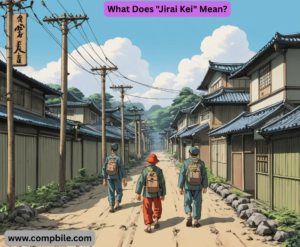
The term (Jirai Kei) translates to “Landmine Style.”
- The metaphor is key to understanding the subculture:
- The “Landmine“: Refers to a person (typically a girl or young woman) who appears cute, sweet, and non-threatening on the surface but has a hidden, volatile, or emotionally unstable side.
- The “Explosion”: This is the emotional outburst, depressive episode, jealousy, or clingy behavior that is triggered unexpectedly—like stepping on a landmine.
- In essence, Jirai Kei is an aesthetic that visually represents this dichotomy: an ultra-feminine and “cute” exterior that hints at a darker, more troubled interior.
Origins and Context
- Jirai Kei emerged in the early 2020s from Japanese social media platforms like Twitter and Instagram. It has strong roots in the Gyaru subculture, particularly the “Agejo” (appeal for attention) style that was popular in hostess clubs.
- It’s a subculture deeply intertwined with online culture, mental health discourse (however stylized), and performative identity. Followers often post highly curated selfies with specific captions that hint at sadness, loneliness, or romantic troubles.
Key Characteristics of the Jirai Kei Aesthetic
- The fashion is a mix of hyper-feminine and classic gothic/dark elements.
The Fashion:
- Color Palette: Primarily black, white, and pink. Navy blue and red are also sometimes incorporated.
- Layering: A key element. This often includes:
A frilly blouse or top.
- A sleeveless dress or jumper worn over it.
- Fishnet stockings or patterned tights.
mini-skirt.
Key Items:
- Cross Necklaces: A very common and almost iconic accessory.
- Ribbons and Lace: Used extensively on clothing, hair, and chokers.
- Platform Mary Janes or Platform Loafers.
- Tights/Stockings: Often with heart, star, or cross patterns.
Vests and Cardigans.
Hair and Makeup:
- Hair: Often long and styled in loose curls or waves. Doll-like ringlets are a signature look. Hair colors are typically shades of brown, black, or ash blonde, but can also include pastel pinks and purples. Small hair clips with crosses or ribbons are essential.
- Makeup (The “Jirai Make”): This is crucial and very distinctive.
- Sparkling, Doe-Eyes: Achieved with circle lenses, dramatic false eyelashes (both on top and bottom lash line), and generous use of white or pearl eyeshadow in the inner corners.
- Blush: Heavily applied, often in a “sunburn” or “igari” (hangover) style, blending from under the eyes down the cheeks to create a tired, tearful, or flushed look.
- Straight Eyebrows: Often drawn straighter and lower than natural to give a more innocent or sad expression.
Glossy Lips.
The “Yami-Kawaii” Element:
- Jirai Kei is closely related to “Yami-Kawaii” which means “Sick-Cute.” This involves incorporating motifs of illness, depression, and self-destruction into the cute aesthetic. This can include:
- Accessories like fake syringe necklaces or band-aids.
- Patterns with pills, blood droplets, or medical crosses.
- Social media captions and usernames that reference mental exhaustion, heartbreak, or feeling unwell.
Social Perception and Criticism
Jirai Kei is a controversial subculture.
- Positive/Sympathetic View: Some see it as a genuine form of self-expression for young people, particularly women, to explore and communicate feelings of loneliness, depression, and romantic anxiety in a stylized way. It can create a sense of community for those who feel misunderstood.
- Negative/Critical View: Critics argue that it romanticizes mental illness and emotional manipulation. The stereotype of a “Jirai” girl is someone who is overly dependent, manipulative in relationships, and uses their perceived fragility as a tool. There are concerns that it trivializes serious mental health conditions.