
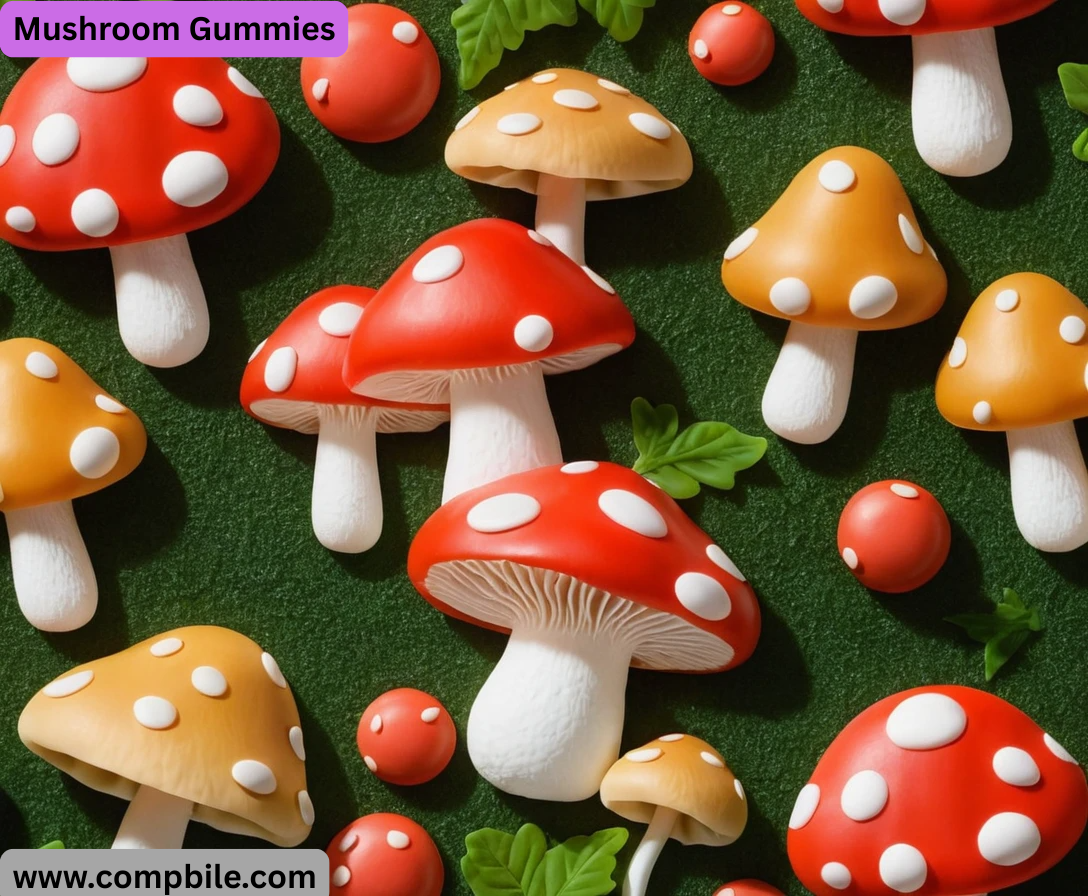
Mushroom Gummies Of course! “Mushroom Gummies” can refer to two very different types of products, and it’s crucial to know the distinction.

Psychedelic / Magic Mushroom Gummies (Psilocybin Gummies)
- These are edibles infused with psilocybin or psilocin, the psychoactive compounds found in “magic mushrooms.” Their primary purpose is to induce a psychedelic experience.
Key Points:
Active Compound: Psilocybin.
- Effects: Altered perception of time and space, visual and auditory hallucinations, euphoria, deep introspection, and sometimes anxiety or paranoia (a “bad trip”).
- Legality: Mostly illegal. In most of the world, psilocybin is a controlled substance. However, there is a growing movement for decriminalization and legal therapeutic use. They are legal or decriminalized in a few cities and states in the U.S. (e.g., Oregon, Colorado) and are being studied for therapeutic use. You must check your local and national laws.
Forms:
- Lab-Tested: Some companies in legal markets produce precisely dosed, lab-tested gummies.
- Gray Market: Many are sold online or in unregulated shops. These can be risky as their potency and purity are unverified. Some may contain other research chemicals like 4-AcO-DMT instead of or in addition to psilocybin.
- Risks: Unpredictable potency, possible contamination, legal consequences, and the potential for a psychologically challenging experience.
Functional Mushroom Gummies
- These are dietary supplements made from the extracted compounds of medicinal or “functional” mushrooms. They contain no psilocybin and are not psychoactive. Their purpose is to support health and wellness.
Key Points:
- Active Compounds: Beta-glucans and other adaptogenic compounds.
- Effects: Vary by mushroom type, but generally aim to support immune function, reduce stress, improve focus, and increase energy. They do not cause a high.
- Legality: Legal and widely available. You can buy them in health food stores, online, and in many grocery stores.
Common Mushroom Varieties:
- Lion’s Mane: Primarily used for cognitive support, focus, and memory.
- Cordyceps: Used for energy, stamina, and athletic performance.
- Chaga: A powerful antioxidant, often used for immune support.
- Turkey Tail: Well-researched for its immune-modulating properties.
What to Look For:
- Extracts: High-quality gummies use mushroom extracts (mycelium or fruiting body), not just powdered mushrooms, to ensure bioavailability of the active compounds.
- Third-Party Testing: Look for brands that provide lab results for purity and potency.
Important Safety & Legal Note
Always know what you are consuming.
- Verify the Source: If you are purchasing functional mushroom gummies, buy from a reputable brand.
- Understand the Law: Possessing or consuming psilocybin gummies is a serious crime in many places.
- Start Low, Go Slow: This applies to both categories. With functional mushrooms, start with a small dose to see how your body reacts. With psychedelics, this principle is critical for managing the intensity of the experience.

Key Characteristics of MREs
- Durability: Designed to withstand airdrops and rough handling. They have a long shelf life, typically 5 years at 80°F (27°C) and even longer in cooler storage.
- Nutrition: A single MRE contains an average of 1,200-1,300 calories to sustain a person in high-activity situations.
- Complete Meal: Each MRE pouch is a full meal, typically containing:
- Main Entrée (e.g., Beef Stew, Chili with Beans, Pasta)
- Side Dish (e.g., Applesauce, Potato Wedges, Rice)

Crackers or Bread
- Spread (e.g., Peanut Butter, Cheese Spread, Jelly)
- Dessert (e.g., Pound Cake, Cookie, Brownie)
- Beverage Powder (e.g., Coffee, Electrolyte Drink, Cocoa)
- Accessories: A plastic spoon, a flameless ration heater (FRH), napkin, matches, and seasonings (salt, pepper, hot sauce).
The Famous Flameless Ration Heater (FRH)
- This is a key feature that sets MREs apart. It’s a small, water-activated chemical heater that comes with the meal.
- How it works: You place the entrée pouch inside the FRH, add a small amount of water, and it produces heat through an exothermic reaction. In about 5-10 minutes, your main course is heated to a steaming hot temperature without a stove or fire.
Who Uses MREs?
- Military: The primary user, especially for troops in the field, on maneuvers, or in combat.
- Preppers and Survivalists: Stockpiled for natural disasters (hurricanes, earthquakes) or civil emergencies.
- Outdoors Enthusiasts: Campers, hikers, and hunters use them for convenient, calorie-dense meals.
- Emergency Management Agencies: Distributed to people in shelters during disasters.
MREs vs. Other Emergency Foods
- MRE vs. Freeze-Dried Meals: Freeze-dried meals (like Mountain House) are much lighter and pack smaller, but require you to add boiling water and wait. MREs are heavier but can be eaten cold or heated with their own FRH.
- MRE vs. Canned Goods: Canned goods are cheap and readily available but are very heavy, require a can opener, and don’t include a heater or accessories.
A Note on Civilian MREs
- The term “MRE” is trademarked by the U.S. military. What you buy in a surplus store or online are often:
- Genuine Military Surplus: Leftover from actual military procurement.
- Civilian Replicas: Commercial companies make very similar products, sometimes with different menus or ingredients,
marketed to preppers and campers.
- The Anatomy of an MRE: A Closer Look
- A modern MRE is a masterpiece of logistics and food science. Each component is there for a reason.
The Entrée (Main Course):
- This is the heart of the meal, packaged in a retort pouch (a type of flexible, foil-laminated package). The food is cooked and sterilized inside the pouch, making it shelf-stable.
- Examples: Chili with Beans, Beef Ravioli, Chicken with Noodles, Jamaican Style Beef Patty, Vegetarian Omelet (notoriously disliked).
The Flameless Ration Heater (FRH):
- The Chemistry: The heater contains a powder made primarily of magnesium iron alloy. When water is added, it reacts with the magnesium, releasing heat and hydrogen gas in a safe, controlled reaction. The result is a hot meal (often reaching 100°F/38°C or more) in minutes.
Accessory Pack (The “Goodie Bag”):
- This small cardboard box or plastic packet contains the meal’s “supporting cast”:
- Carbohydrates: Crackers, wheat snack bread, or tortillas.
- Spreads: To make the carbs more palatable (peanut butter, cheese spread, jalapeño cheese spread).
- Dessert: A shelf-stable cake, cookie, or fruit bar.
- Beverage Powder: Coffee, tea, cocoa, or a sports drink like Gatorade.
- Utensils & Essentials: A durable plastic spoon, a moist towelette, salt, pepper, and gum or a breath mint. Sometimes hot sauce (Tabasco or Louisiana Gold) is included, highly prized for trading.
The Evolution and History
MREs haven’t always been what they are today.
- Pre-1980s: The U.S. military used canned rations like the C-Ration (WWII, Korea, Vietnam) and the Meal, Combat, Individual (MCI). These were effective but heavy, bulky, and required a can opener.
- 1981: The first-generation MRE was introduced. They were notorious for being bland, unappetizing, and causing constipation. A common joke was that “MRE” stood for “Meals Rejected by Everyone” or “Meals Rarely Eaten.”
- Ongoing Improvement: The Natick Soldier Research, Development and Engineering Center in Massachusetts is constantly working to improve MREs. Over the decades, they have:
- Improved Menus: From 12 to now over 24 menu options, including vegetarian meals.
- Enhanced Taste and Variety: Added commercial brand name items (like M&Ms, Skittles, and Clif Bars in some cases) and culturally diverse dishes.
- Added the FRH: Introduced in 1992, it was a game-changer for morale.