
Non Toxic Air Fryer Of course! Many people choose air frying for healthier cooking, so it makes sense to ensure the appliance itself is safe. The core of the issue revolves around the non-stick coating inside the air fryer basket. Here’s a comprehensive guide to choosing and using a non-toxic air fryer.
The Problem with Traditional Non-Stick Coatings
Many budget air fryers use a non-stick coating similar to traditional Teflon, which is based on PTFE (Polytetrafluoroethylene).
- PTFE and PFOA: While PFOA (a harmful chemical used in the manufacturing of older Teflon) has been largely phased out since 2013, the PTFE coating itself can still pose a risk.
- The Danger of Overheating: When PTFE coatings are heated above 500°F (260°C), they can begin to break down and release toxic fumes. These fumes can cause “polymer fume fever” (flu-like symptoms in humans) and are known to be fatal to birds.
- Flaking and Ingestion: Over time, with the use of metal utensils or abrasive scrubbers, these coatings can scratch, chip, and flake off into your food. While ingesting a small flake is not considered acutely toxic, the long-term health effects of consuming these microplastics are a concern.
What to Look for in a “Non-Toxic” Air Fryer
To avoid these risks, look for air fryers that use one of the following materials for their cooking basket or drawer.
Ceramic Non-Stick Coating (The Popular Choice)
- This is the most common “non-toxic” alternative. It’s a coating, but it’s made from a sol-gel derived from silica (sand) and is typically PTFE-free and PFOA-free.
- Pros: Excellent non-stick properties, free of PTFE/PFOA, generally more resistant to scratching than older non-stick types, and doesn’t release toxic fumes when overheated.
- Cons: Can be less durable over the long term than other options and may lose its non-stick properties faster if cleaned abrasively.
- Look for Keywords: “Ceramic non-stick,” “PTFE-free,” “PFOA-free.”
Stainless Steel (The Gold Standard for Safety)
- This is the safest, most durable, and most inert option. Many high-end air fryers, especially basket-style and toaster-oven style, offer a fully stainless steel cooking chamber.
- Pros: Completely non-toxic, incredibly durable, won’t chip or flake, can withstand extremely high temperatures, and is easy to clean.
- Cons: Food is more likely to stick if the steel isn’t properly seasoned or oiled. It can also be heavier and more expensive.
- Look for Keywords: “Stainless steel cooking basket,” “All stainless steel interior.”
Glass (A Less Common but Safe Option)
- Some air fryer models, particularly toaster-oven styles, use a glass baking pan or tray.
- Pros: Completely inert and non-toxic, easy to see your food cooking, and doesn’t react with food.
- Cons: Glass can break if dropped, and the non-stick performance depends entirely on how you oil/prep it.
Recommended Brands and Models
Here are some brands known for their focus on safer materials:
- COSORI: A leader in the category, most of their popular models (like the COSORI Pro II) feature a ceramic coating that is PTFE and PFOA-free. They are very transparent about their materials.
- Ninja: Many Ninja air fryers (like the Ninja Foodi DualZone) use a ceramic-based non-stick coating that is PTFE and PFOA-free. Always double-check the specific model’s description.
- Philips: Philips uses a unique “Turbostar” non-stick technology in their baskets. While it is a proprietary coating, Philips states it is PFOA-free. For ultimate safety, their higher-end models often have a stainless steel mesh basket.
- Breville (or Sage outside the US): Their premium “Smart Oven Air Fryer Pro” and similar models feature an interior made entirely of brushed stainless steel, making it one of the safest and most durable options on the market.
- Instant Pot (by Instant Brands): The company behind the famous pressure cooker also makes air fryers. Many of their models, like the Instant Vortex Plus, use a PTFE and PFOA-free non-stick coating.
- Important: Models and coatings can change. Always verify the product specifications on the manufacturer’s website or product listing before you buy.

How to Use Your Air Fryer Safely (Even a “Non-Toxic” One)
No matter what type of air fryer you have, follow these best practices to maximize safety and longevity:
- Never Preheat Empty: Always have food or at least the empty basket in the air fryer during preheating. An empty basket can overheat much faster.
- Use the Right Utensils: Only use wooden, silicone, or nylon tongs and spatulas. Never use metal utensils that can scratch the coating.
- Clean Gently: Let the basket cool completely before washing. Use a soft sponge, warm soapy water, and avoid abrasive scrubbers or steel wool. For stuck-on grease, soak the basket first.
- Dispose of Damaged Baskets: If your ceramic or non-stick coating starts to chip or flake significantly, it’s time to replace the basket (many brands sell replacements) or the entire unit. Do not continue using it.
Beyond the Basket: Other Material Considerations
A truly non-toxic appliance isn’t just about the cooking surface. Here’s what to look for in the rest of the air fryer:
- Housing (The Outer Body): This is typically made of food-grade PP (Polypropylene) plastic, which is generally considered a safe, BPA-free, and heat-resistant plastic. It doesn’t come into direct contact with food at high temperatures. A stainless steel housing is also an option in some premium models and is ideal for durability.
- Heating Element: The heating coil (usually made of nickel-chromium alloy) should be designed and housed in a way that it doesn’t come into contact with plastic components that could melt or off-gas. Quality manufacturers design their air fryers with this in mind.
- Accessories: Be just as vigilant with accessories! Many come with additional racks, pans, or skewers. Ensure these are also PTFE/PFOA-free if they have a non-stick coating, or made of stainless steel.
Specific Model Examples (as of 2024)
Here’s a breakdown of models that champion non-toxic materials:
Basket-Style with Ceramic Coating
- COSORI Pro LE (or similar): COSORI is the market leader in this category. Their coatings are explicitly marketed as PTFE/PFOA-free. They are affordable, efficient, and come in various sizes.
- Ninja Foodi DualZone: Uses a ceramic-based non-stick coating that is PTFE/PFOA-free. The dual baskets are a major convenience feature for cooking two foods at once.
Air Fryer Ovens with Stainless Steel Interiors
- Breville Smart Oven Air Fryer Pro: The interior is fully brushed stainless steel, including the walls, making it one of the safest and most powerful countertop ovens. The air fryer basket is also stainless steel.
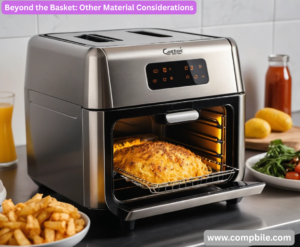
- Cuisinart Air Fryer Toaster Oven (TOA-70): Features a fully stainless steel interior and comes with a stainless steel air fryer basket. A great all-in-one appliance.
- Instant Omni Pro (or Plus): This is a versatile countertop oven that features a stainless steel interior and a removable ceramic-coated non-stick baking pan, giving you options.
Models with Unique Approaches
- Gourmia 6-Qt. Digital Air Fryer (from Costco): Many of their recent models are explicitly marketed with “PTFE-Free Non-Stick Ceramic Coating.” Always a good value.
- Philips Premium Airfryer XXL: Uses their proprietary “Turbostar” technology. While the coating is different, Philips states it is PFOA-free. For ultimate peace of mind, their mesh basket is a great physical barrier and promotes crispiness.
Advanced Best Practices for a Non-Toxic Kitchen
- The “Smell Test” is Real: When you use your air fryer for the first few times, you might notice a slight “new appliance” smell or a bit of smoke. This is often oils from manufacturing burning off. However, if you ever detect a sharp, chemical, or plastic-like smell during normal use, turn off and unplug the appliance immediately. This could indicate a faulty component or overheating.
Maximizing Stainless Steel & Glass: To prevent sticking on these surfaces:
- Use a light coating of a high-heat oil (avocado, grapeseed, or refined olive oil) using a pastry brush or oil spray.
- Crucial: Avoid commercial aerosol cooking sprays (like Pam). They contain lecithin and propellants that can create a gummy, sticky residue that is very difficult to remove and can ruin the non-stick properties of any surface over time. Use a spray bottle filled with oil or a dedicated food-grade oil spray.
Deep Cleaning for Longevity:
- For Ceramic & Non-Stick: For stuck-on grease, make a paste of baking soda and water, apply it to the cool basket, let it sit for 15 minutes, and then gently wipe away.
- For Stainless Steel: Use a specialized stainless steel cleaner to keep it shining, or a vinegar-water solution to cut grease. For tough, baked-on residue, a safe, non-scratching scrubber like a Dobie Pad or Scrub Daddy works well.
The Bottom Line: Your Checklist for Buying
When you’re ready to purchase, use this quick checklist:
- Primary Cooking Surface: Is it PTFE-Free & PFOA-Free? (Look for “Ceramic Coating” or “Stainless Steel”).
- Accessories: Are any additional racks or pans also made from safe materials?
- Brand Reputation: Does the brand have a clear and transparent policy on material safety?
- User Manual: Read it! It will contain specific cleaning and usage instructions to keep your appliance safe and functional for years.