
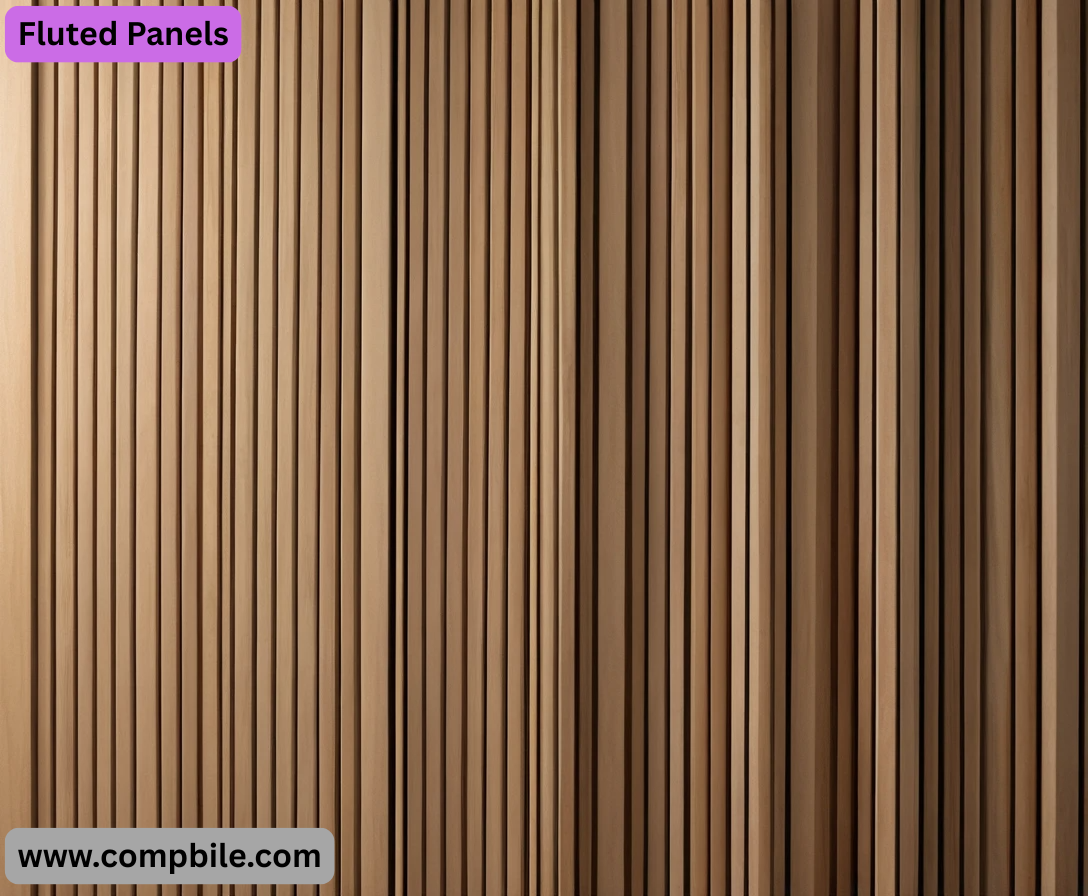
Fluted Panels Of course! “Fluted panels” refer to panels of material (like wood, metal, or MDF) that have been milled with a series of parallel, vertical grooves known as flutes.
This design element has exploded in popularity in recent years, moving from classical architecture to a staple of modern interior and furniture design.
What are Fluted Panels?
At its core, a fluted panel is defined by its texture. The alternating grooves and ridges create a play of light and shadow that adds depth, rhythm, and visual interest to a surface without being overly ornate.
Key Characteristics:
- Flutes: The concave, U-shaped or V-shaped grooves.
- Ridges: The raised, flat sections between the flutes.
- Profile: The shape of the flutes can vary (rounded, sharp, shallow, deep).
Why are They So Popular? (The Benefits)
- Adds Texture and Depth: In a world of flat, minimalist surfaces, fluted panels instantly create a tactile and dynamic feel. They make walls and furniture look more crafted and considered.
- Visual Interest Without Busy Patterns: They provide pattern and rhythm but in a structured, linear way that is less overwhelming than a bold wallpaper or colorful tile.
- Elegant and Timeless: While trendy now, the fluted motif has roots in Greek and Roman architecture (think: Corinthian columns), giving it a classic foundation.
- Disguises Imperfections: The texture can help to hide fingerprints, scratches, or minor imperfections on surfaces like cabinet fronts or walls.
- Versatile Style: They can be used to achieve a range of looks, from modern and minimalist to rustic and traditional.
Common Materials for Fluted Panels
Fluted panels can be made from almost any workable material:
- Wood: Offers a warm, natural, and high-end look. Common in custom cabinetry and architectural millwork.
- MDF (Medium-Density Fiberboard): The most popular and cost-effective choice for interior applications. It’s easy to paint and mill.
- Plaster/Concrete: Used for a bold, sculptural, and modern feel, often in fireplaces or feature walls.
- Metal (e.g., Brass, Aluminum): Creates a luxurious, sleek, or industrial aesthetic. Often used in bars, retail spaces, and high-end fixtures.
- PVC/Acrylic: A good option for wet areas like bathrooms and kitchens as it is moisture-resistant and easy to clean.
Applications and Uses in Design
Fluted panels are incredibly versatile. Here’s where you commonly see them:
Interior Wall Cladding
- Feature Walls: A fluted wall behind a bed, sofa, or in a dining room creates an instant focal point.
- Wainscoting/Paneling: Used on the lower half of a wall for a fresh take on a traditional detail.
- Room Dividers: Full-height fluted panels can subtly separate spaces while allowing light to filter through.
Kitchen and Bathroom Design
- Cabinet Fronts: Fluted doors are a huge trend for kitchen islands, bathroom vanities, and pantry doors, offering an alternative to flat Shaker or slab styles.
- Splashbacks: A fluted tile or panel used as a backsplash adds texture behind a sink or stove.
- Bathroom Vanity Units: Adds a touch of spa-like luxury.
Furniture and Millwork
- Bar and Desk Fronts: Gives furniture a custom, built-in look.
- Headboards: A fluted headboard adds texture and sophistication to a bedroom.
- Shelving: Adding a fluted back panel to open shelving makes displayed items pop.
Exterior and Architectural Details
- Column Cladding: A direct nod to its classical origins, used to cover structural columns.
- Exterior Facades: Used in modern architecture to create rhythm and shadow on a building’s exterior.
- Pilasters: Decorative elements on the outside of buildings.
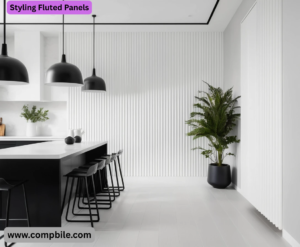
Styling Fluted Panels
- Modern/Minimalist: Use fluted panels in a monochromatic color scheme (e.g., all white or all black). Pair with sleek hardware and clean lines.
- Coastal: Paint fluted panels in soft blues, greens, or crisp white. The texture evokes the look of reeds or waves.
- Organic Modern: Use natural wood fluting to bring warmth and a tactile, natural element into a space.
- Art Deco: The vertical lines align perfectly with the streamlined, rhythmic style of Art Deco.
Part 1: The Anatomy & Profiles of Fluting
- Not all flutes are created equal. The specific shape and proportions of the grooves dramatically change the overall feel.
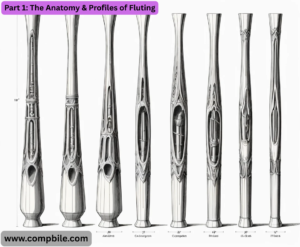
A. Common Flute Profiles:
Classic/U-Shaped (Cove):
- Description: Rounded, concave grooves with soft edges.
- Effect: Creates a soft, gentle shadow. Feels traditional, organic, and warm.
- Best For: A timeless look, coastal or rustic styles, and spaces where a softer texture is desired.
V-Groove (Sharp):
- Description: Flutes with a sharp, V-shaped profile.
- Effect: Creates crisp, defined lines and sharper, more dramatic shadows.
- Best For: A more modern, graphic, and architectural feel. Excellent for adding definition.
Reeded (Beaded):
- Description: The opposite of fluting. Here, the ridges are rounded and prominent, and the “grooves” are the narrow spaces between them.
- Effect: Creates a more pronounced, tactile, and bold texture. It feels luxurious and substantial.
- Best For: Furniture legs (a classic use), statement bars, and creating a “rippled” effect. Often associated with Regency and Hollywood Glam styles.
Flat-Panel (Linear):
- Description: Features wide, flat ridges with very narrow, sharp grooves between them.
- Effect: Offers a very clean, minimalist, and strongly linear appearance. The shadow lines are thin and precise.
- Best For: Ultra-modern kitchens, office furniture, and creating a low-profile texture.
Technical Dimensions:
- Flute Width: Can range from very narrow (a few millimeters) to very wide (several inches). Wider flutes feel more modern and bold; narrower flutes feel more detailed and traditional.
- Flute Depth: Deeper flutes create more dramatic shadows and a stronger tactile feel but can collect more dust. Shallow flutes are more subtle and easier to clean.
- Spacing: The distance between flutes can be consistent or variable. Tightly spaced flutes create a dense texture, while wider spacing feels more relaxed.
Part 2: Material Deep Dive & Finishes
Material Selection is Key to the Final Look:
Solid Wood:
- Pros: Unbeatable authenticity, can be stained to show the natural grain, can be sanded and refinished.
- Cons: Expensive, can be prone to warping with humidity changes.
- Best Finishes: Clear coat, oil, or stain to enhance the grain.
MDF (Medium-Density Fiberboard):
- Pros: The go-to for interior work. Perfectly smooth and uniform, making it ideal for a flawless painted finish. Cost-effective.
- Cons: Not moisture-resistant (unless specified as MR-MDF), can be heavy.
- Best Finishes: Paint. This is where you get those perfect, monochromatic looks in any color imaginable.
PVC & Acrylic:
- Pros: 100% waterproof, lightweight, and easy to clean. Often comes in pre-finished white or wood-look sheets.
- Cons: Can have a less “premium” feel than wood or MDF, may be prone to scratching.
- Best Finishes: Integrated color or high-gloss laminate.
Metal (Brass, Copper, Aluminum):
- Pros: Luxurious and durable. Can be finished in brushed, polished, or patinated looks.
- Cons: Very expensive, requires professional fabrication.
- Best Finishes: Brushed nickel, blackened brass, polished chrome.
Plaster/Concrete:
- Pros: Seamless, sculptural, and high-end. Can be formed into curved walls for a stunning organic modern effect.
- Cons: Very expensive, heavy, and requires a skilled artisan for installation.
- Best Finishes: Typically painted or sealed with a matte or lime wash.