

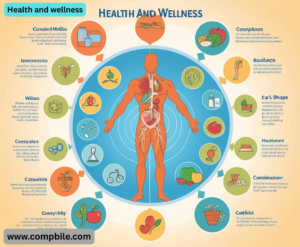
Health and wellness Of course! “Health and Wellness” isf a holistic and multi-dimensional concept that goes far beyond just not being sick. It’s about actively pursuing a state of complete physical, mental, and social well-being. Here’s a comprehensive breakdown of what this entails.
The Core Difference: Health vs. Wellness
- Health is often seen as the state of being. It’s the absence of disease or infirmity. It’s a more clinical and objective measure (e.g., blood pressure, cholesterol levels).
- Wellness is the active process of making choices and engaging in behaviors that lead to optimal health. It’s the dynamic and subjective pursuit of a fulfilling life.
- Think of it this way: Health is the destination, and Wellness is the journey to get there.
The Pillars of Wellness
- Wellness is commonly broken down into several interconnected dimensions. Neglecting one can adversely affect the others.
Physical Wellness
This involves maintaining a healthy body through good habits.
- Sleep: Getting 7-9 hours of quality sleep per night.
- Preventive Care: Regular check-ups, screenings, and listening to your body.
- Avoiding Harmful Habits: Limiting alcohol, avoiding tobacco, and not misusing drugs.
Mental & Emotional Wellness
This is about understanding and managing your feelings, thoughts, and behaviors.
- Self-Awareness: Recognizing your own emotions and triggers.
- Stress Management: Developing healthy coping mechanisms like meditation, mindfulness, or journaling.
- Resilience: The ability to bounce back from setbacks.
- Positive Self-Talk: Cultivating a kind and supportive inner dialogue.
- Therapy/Counseling: Seeking professional help when needed is a sign of strength.
Social Wellness
This refers to building and maintaining healthy, supportive, and nurturing relationships.
- Communication Skills: Expressing yourself clearly and listening to others.
- Building a Support Network: Having friends, family, and community you can rely on.
- Setting Boundaries: Knowing your limits in relationships to avoid burnout.
- Contributing to Your Community: Feeling connected to something larger than yourself.
Intellectual Wellness
This involves engaging in creative and mentally stimulating activities.
- Lifelong Learning: Taking a class, learning a new skill, or reading.
- Curiosity: Exploring new ideas and perspectives.
- Problem-Solving: Challenging your mind with puzzles, games, or complex tasks at work.
Spiritual Wellness
This relates to finding purpose, meaning, and a connection to something greater than oneself.
- Meditation & Mindfulness: Practices that connect you to the present moment.
- Spending Time in Nature: Feeling awe and connection with the natural world.
- Volunteering: Giving back and feeling a sense of purpose.
- Religion or Personal Philosophy: Following a set of beliefs that provide guidance and comfort.
Environmental Wellness
This is about living in harmony with your surroundings and recognizing the impact your environment has on you.
- Organized & Clean Space: Creating a home and work environment that reduces stress.
- Sustainability: Making choices that protect the planet (recycling, conserving energy).
- Connection to Nature: Spending time outdoors regularly.
Occupational Wellness
This involves finding fulfillment and satisfaction in your work.
- Work-Life Balance: Setting boundaries between your professional and personal life.
- Career Alignment: Doing work that aligns with your values and interests.
- Positive Work Relationships: Having supportive colleagues and a healthy work culture.
Financial Wellness
This is the process of learning how to successfully manage financial expenses and feel secure about your future.
- Budgeting & Saving: Living within your means and planning for the future.
- Managing Debt: Keeping debt under control.
- Financial Literacy: Understanding how to make your money work for you.
How to Start Your Wellness Journey
It can feel overwhelming, but the key is to start small and be consistent.
- Self-Assess: Take stock of the eight pillars. Which areas feel strong? Which need more attention?
- Set Small, SMART Goals: Instead of “get healthy,” try “walk for 20 minutes, three times this week” or “cook a healthy meal at home twice this week.”
- Focus on One Thing at a Time: Trying to overhaul your entire life at once leads to burnout. Pick one small habit to build.
- Listen to Your Body: Rest when you’re tired. Eat when you’re hungry. Your body sends signals—learn to trust them.
- Be Kind to Yourself: Wellness is not about perfection. There will be setbacks. Practice self-compassion and just get back on track.
Common Wellness Trends
- Mindfulness & Meditation: Apps like Calm and Headspace have made this mainstream.
- Plant-Based Diets: A growing focus on eating for both personal and planetary health.
- Digital Detox: Intentionally taking breaks from screens to reduce stress and improve sleep.
- Functional Fitness: Exercise focused on improving movement for daily life, not just aesthetics.
- Prioritizing Sleep: Recognizing sleep as a non-negotiable pillar of health.
Advanced Concepts and Nuances
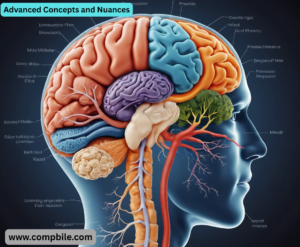
The Gut-Brain Axis
- This is a prime example of how interconnected the pillars of wellness are. Your digestive system and your brain are in constant communication via the vagus nerve and neurotransmitters.
- Wellness Implication: A healthy gut microbiome (from fermented foods, fiber, and probiotics) is now strongly linked to improved mental wellness (reduced anxiety and depression) and immune function. It’s not just about physical digestion anymore.
Biohacking & Personalized Wellness
This movement focuses on using data and experimentation to optimize your body’s biology.
- What it involves: This can range from simple habits like cold plunges and intermittent fasting to advanced tracking like continuous glucose monitors, genetic testing (e.g., 23andMe), and detailed blood work to create a hyper-personalized nutrition and exercise plan.
- The Goal: To become the “CEO of your own health” by understanding your unique body’s responses.
The Difference Between “Wellness” and “Wellbeing”
While often used interchangeably, some experts draw a subtle distinction:
- Wellness is often associated with the actions and choices (the “doing”)—going to the gym, eating a salad, meditating.
- Wellbeing is the deeper outcome and feeling (the “state”)—a sustained sense of contentment, purpose, and flourishing that results from consistent wellness practices.
Hormonal Health
- Moving beyond weight loss and muscle gain, there’s a growing focus on how hormones like cortisol (stress), insulin (blood sugar), thyroid hormones, and sex hormones (estrogen, testosterone) impact everything from energy and mood to metabolism and sleep.
- Wellness Implication: Understanding and supporting hormonal balance through diet, stress management, and sleep is a key frontier in holistic health.
Common Challenges & Pitfalls on the Wellness Journey
Wellness Perfectionism & Orthorexia
- The pursuit of health can become unhealthy. Orthorexia is an unhealthy obsession with “clean” or “right” eating. The pressure to have a perfect morning routine, a perfect diet, and a perfect body can lead to intense anxiety and guilt.
- The Antidote: Embrace the 80/20 rule (80% nutrient-dense foods, 20% for fun and flexibility) and practice self-compassion.
Information Overload & “Analysis Paralysis”
- The internet is full of conflicting advice (e.g., “Carbs are bad!” vs. “Carbs are essential!”). This can make it impossible to know where to start.
- The Antidote: Stick to evidence-based sources (like registered dietitians, peer-reviewed studies) and remember the basics are universal: eat whole foods, move your body, sleep well, manage stress. You don’t need the perfect, most complex plan—you need consistency with the fundamentals.
The Influencer Trap
- Social media often sells an aesthetic of wellness (matching workout sets, picturesque smoothie bowls) that is expensive, unrealistic, and not based on science.
- The Antidote: Focus on how practices make you feel, not how they look. A walk in normal clothes is just as valid as a photoshoot-ready yoga session.
Financial Barriers
- Wellness can be expensive (organic food, gym memberships, fitness trackers, supplements).
- The Antidote: Some of the most powerful wellness tools are free or low-cost: bodyweight exercises, walking/running, meditation apps with free versions, library books, cooking at home, and getting sunlight.
Practical, Actionable Strategies
Improve Physical Wellness:
- “Food First”: Before supplements, focus on building one better meal. Add a vegetable to your lunch. Swap soda for sparkling water.
- Move in Ways You Enjoy: You don’t have to hate your workouts. Dance, hike, play a sport, garden. Consistency trumps intensity.
- Hydration Hack: Keep a water bottle on your desk or set hourly reminders on your phone.
Improve Mental & Emotional Wellness:
- The 5-Minute Rule: Don’t want to meditate for 30 minutes? Do it for 5. Don’t feel like journaling for pages? Write three sentences. Small steps build the habit.
- Name Your Emotion: When stressed, simply say to yourself, “I am feeling anxious” or “I am feeling overwhelmed.” This act of naming it engages the logical brain and reduces the emotion’s intensity.
- Digital Sunset: Stop using screens 60 minutes before bed. Read a physical book instead.
Improve Social Wellness:
- Quality over Quantity: Nurture 2-3 deep friendships instead of stressing over a large social circle.
- Schedule Connection: In a busy world, put “call a friend” or “date night” in your calendar as a non-negotiable appointment.
- The “One-Touch” Rule: When you handle something like mail, deal with it immediately (recycle, file, pay) instead of letting it create clutter.
- Biophilic Design: Add plants to your living space. Open the windows for fresh air. These small changes can significantly reduce stress.
The Future of Health & Wellness
The trend is moving towards a more integrated, personalized, and tech-enabled approach:
- AI-Powered Health: Apps that provide personalized meal and workout plans based on your data.
- Mental Health Tech: Widespread use of telehealth for therapy and mental health support.
- Preventive & Predictive Health: A greater focus on using data to prevent illness before it starts, rather than just treating it.
- Community-Centric Wellness: A recognition that our health is deeply tied to the health of our communities, leading to more group activities and shared resources.