
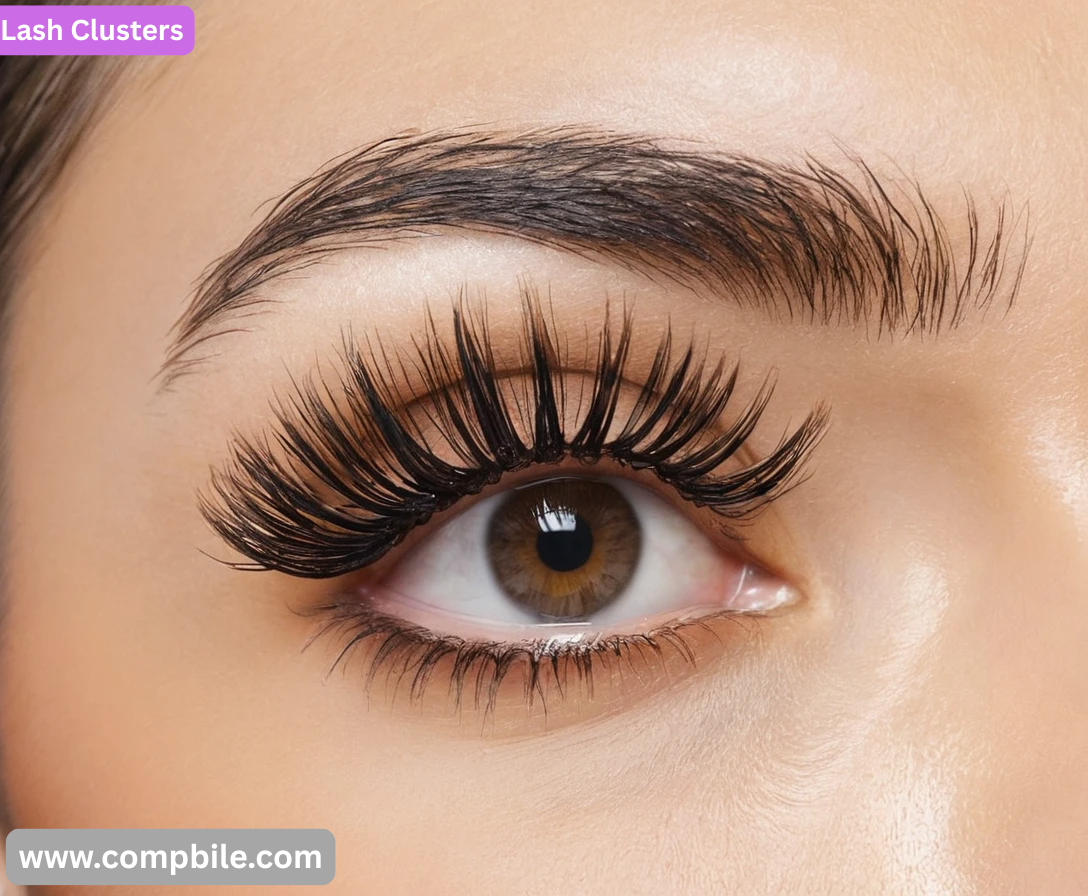
Lash Clusters Of course! “Lash Clusters” are a popular and versatile type of eyelash extension. Let’s break down everything you need to know.
What Are Lash Clusters?
Lash clusters (also known as lash flares or volume fans) are pre-made groups of 3-10 individual lash extensions that are fanned out at the base and glued together, creating a tiny, feathery bouquet.
Unlike single lash extensions, which are applied one-to-one on a natural lash, clusters are applied to multiple natural lashes at once, making them much quicker to apply and remove.
Key Characteristics
- Application: Applied to 3-5 natural lashes simultaneously using a stronger, temporary adhesive.
- Look: Instantly voluminous and dramatic. They create a full, fluffy effect.
- Duration: Temporary. They are not designed for long-term wear and typically last 3-7 days.
- Weight: Heavier than single extensions because multiple natural lashes are bound together.
Pros and Cons of Lash Clusters
Pros (Why People Love Them)
- Instant Dramatic Results: You get a full, glamorous look immediately.
- Cost-Effective: Significantly cheaper than a full set of classic or volume extensions.
- Quick Application & Removal: A full set can be applied in 30-60 minutes, and they are easy to remove.
- Great for Special Occasions: Perfect for a wedding, vacation, or weekend event where you want a big look without the long-term commitment.
Cons (The Important Warnings)
- High Risk of Damage: This is the biggest drawback. Because multiple lashes of different growth cycles are glued together, the stronger ones can pull out the weaker ones as they shed naturally, leading to traction alopecia (permanent lash loss).
- Not for Long-Term Wear: The heavy, bonded application is not safe for your natural lashes beyond a few days.
- Can Look Clumpy: If not applied skillfully, they can look less refined than professional volume lashes.
- DIY Dangers: At-home application carries a high risk of glue getting in the eyes, allergic reaction, and poor application leading to damage.
Professional vs. DIY Lash Clusters
Professional Application:
- A trained lash artist will use techniques to minimize damage (e.g., applying to lashes in similar growth phases).
They use professional-grade, safer adhesives.
- They can create a customized look that suits your eye shape.
- Still, most reputable lash artists will caution against clusters for regular use due to the inherent risks.
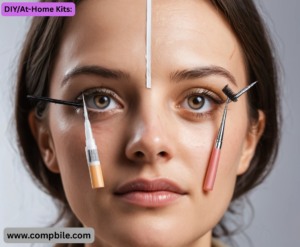
DIY/At-Home Kits:
Extreme caution is advised.
- Kits are widely available but come with significant risks: eye injury from glue, allergic reactions, and severe lash damage from incorrect application and removal.
- If attempting DIY, never apply clusters to your skin, use a minimal amount of glue, and do not wear them for more than a few days.
By Material:
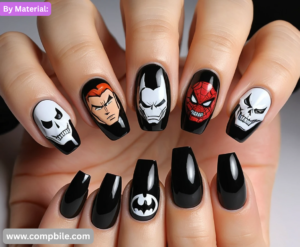
- Synthetic (Acrylic): The most common and affordable. They have a high-gloss, shiny finish and are very sturdy. Can look less natural but are great for a bold, dramatic look.
- Mink (Faux Mink): Softer, lighter, and have a wispier, more textured appearance than synthetic. They mimic the look of real mink fur but are cruelty-free. They offer a more luxurious and natural-feeling volume.
- Silk: Often a middle ground between synthetic and mink. They have a soft, matte finish and a slight curve, providing a natural yet voluminous effect.
- Human Hair: Rarely used for clusters, as they are less rigid and don’t hold their shape as well as synthetic fibers.
By Fan Size & Effect:
- 2D-5D (Mini Clusters/Spikes): These are smaller, wispier fans. They are lighter and can be used to create a “megaverse” or “wispy” effect by strategically placing them between classic lashes or fuller clusters. They are less damaging due to their lighter weight.
- 5D-10D (Standard Volume Clusters): These are the typical clusters you see in most kits. They provide the classic, dense, voluminous look.
- Flat Lash Clusters: These have a wider, flatter base and are designed to cover more surface area with a single application, creating a “strip lash” effect but in segments.
The Detailed Process: Application & Removal
Professional Application (The Safer Method):
- Consultation & Prep: The lash artist assesses your natural lashes, discusses the desired look, and cleanses the lashes to remove any oils.
- Isolation (The Most Critical Step): Using precision tweezers, the artist carefully isolates a small group of natural lashes that are in the same growth phase (e.g., all adult-phase lashes of similar length). This is difficult and is the key to minimizing damage.
- Application: A small drop of professional-grade, semi-permanent adhesive is applied to the base of the cluster. The cluster is then placed on the isolated group of natural lashes, about 0.5-1mm away from the eyelid skin.
- Curing: The artist holds the cluster in place until the adhesive bonds.
DIY/At-Home Application (The Risky Method):
- The process is similar but without the same level of skill. The main pitfalls are:
- Poor Isolation: Nearly impossible to do on yourself, leading to lashes of different cycles being glued together.
- Too Much Glue: Leads to heavy, stiff lashes and increased risk of glue touching the skin or eyes.
- Incorrect Placement: Applying too close to the skin can block oil glands or cause irritation.
Safe Removal:
- Professional Removal: A technician will use a professional-grade lash remover (cream or gel) that dissolves the adhesive without pulling on the natural lashes.
- At-Home Removal: NEVER PULL THEM OFF. This will rip out your natural lashes.
- The safest method is to apply a generous amount of oil-based makeup remover or coconut oil to a cotton pad and hold it over your closed eye for several minutes to dissolve the glue.
Gently wipe away the clusters as they loosen. Patience is key.
The Risks, Explained in Depth
- Why are clusters so damaging compared to professional extensions?
- Traction Alopecia: This is the primary mechanism of damage.
- Natural Lash Shedding Cycle: Your natural lashes grow, rest, and shed independently. At any given time, you have lashes in anagen (growth), catagen (transition), and telogen (shedding) phases.
- The Problem: A cluster glues 3-5 of these lashes together. When one lash is ready to shed naturally, it is physically held in place by its glued-together neighbors. This creates tension, and as the shedding lash tries to fall out, it can painfully pull out the other, still-growing lashes from their follicles. Repeatedly doing this can damage the follicle, leading to permanent hair loss in that spot.
- Weight Stress: The combined weight of the cluster is supported by only a few natural lashes, which are not designed to bear that load. This can cause the hair shaft to weaken and break mid-strand.
Hygiene and Health Risks:
- Blepharitis: The heavy glue and clusters can trap debris and bacteria along the lash line, leading to inflammation of the eyelids.
- Allergic Reactions: The adhesives, especially in DIY kits, can contain strong chemicals like cyanoacrylate that can cause severe contact dermatitis.
- Corneal Abrasion: If a cluster is applied incorrectly or comes loose, the sharp base can scratch the cornea.
How to Choose and Use Clusters More Safely
- If you decide to use them despite the risks, here’s how to be smarter about it:
- Choose the Right Cluster: Opt for lighter, 3D-5D clusters made of faux mink or silk over heavy 10D synthetic ones.
- Limit Wear Time: Treat them as strictly “weekend wear.” Do not wear them for more than 3-4 days in a row, and always give your natural lashes a long break (at least a week) in between uses.
Perfect Your DIY Technique:
Use a lash applicator or high-precision tweezers.
- Apply a tiny, tiny dot of glue to the base. Let it get “tacky” for a few seconds before applying.
- Never apply clusters to your bottom lashes or too close to the inner corner.
Invest in Lash Aftercare:
- Always remove them gently with an oil-based remover.
- Nourish your lashes during the breaks. Use a lash serum or castor oil to promote strength and growth.
- Be gentle when cleansing and brushing your natural lashes after removal.