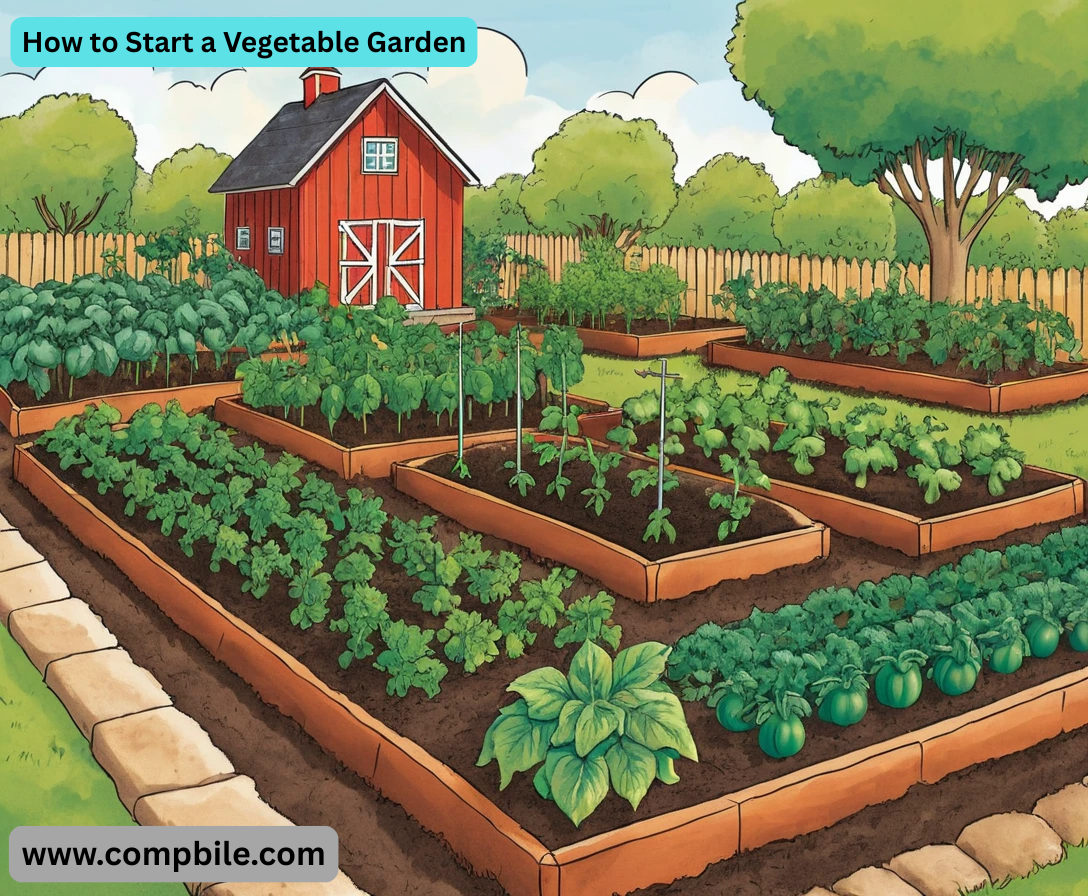
How to Start a Vegetable Garden Of course! Starting a vegetable garden is one of the most rewarding hobbies you can take up. It provides fresh, flavorful food, exercise, and a wonderful connection to nature. This guide will walk you through the process step-by-step, from choosing a location to harvesting your first tomato.
Choose the Right Location
- This is the most important step. A bad location can lead to failure, while a good one sets you up for success. Look for a spot that gets:
- Full Sun: Most vegetables need at least 6-8 hours of direct sunlight per day. The more sun, the better your harvest will be.
- Good Drainage: The soil should not stay soggy after a rain. Avoid low spots where water pools. If your only option has poor drainage, you can build raised beds.
- Easy Access: Place your garden somewhere you’ll see every day (like near the back door). If it’s out of sight, it’s out of mind, and you might forget to water or check for pests.
- Flat Ground: A level area is easier to work on and prevents water from running off. A slight slope is okay, but avoid steep hills.
- Shelter from Wind: A strong wind can damage young plants. A fence, hedge, or even a trellis can provide good protection.
Decide What to Grow
- There’s no sense in growing five zucchini plants if no one likes zucchini.
Top 10 Easy Vegetables for Beginners:
How to Start a Vegetable Garden
- Tomatoes: The king of the home garden. Start with small plants (“starts” or “transplants”) from a nursery.
- Lettuce & Salad Greens: Grow from seed. You can harvest leaves multiple times.
- Radishes: Incredibly fast-growing from seed (ready in ~25 days!). Great for early success.
- Green Beans: Easy to grow from seed and very productive. Bush varieties don’t need staking.
- Zucchini / Summer Squash: One plant will feed a small army. Very productive.
- Peppers: Both bell peppers and hot peppers are easy. Buy small plants.
- Beets: You can eat the root and the greens! Grow from seed.
- Carrots: A fun root vegetable for kids. They need loose, sandy soil. Grow from seed.
- Swiss Chard: Beautiful and hardy. It keeps producing even in some heat.
- Herbs: Basil, cilantro, and parsley are easy, flavorful, and great for beginners.
- Pro Tip: Check your USDA Plant Hardiness Zone to understand your climate and first/last frost dates. This will tell you when to plant. You can find yours with a quick online search.
Plan Your Garden Beds
You have a few options for where your plants will grow:
- In-Ground Beds: The classic method. You’ll need to loosen the native soil and amend it with compost.
- Raised Beds: Wood or metal frames filled with soil. They offer excellent drainage, warm up faster in spring, and are easier on your back. Highly recommended.
- Containers: Perfect for patios, balconies, and small spaces. Almost any vegetable can be grown in a pot as long as it’s big enough (e.g., 5-gallon bucket for a tomato).
A Beginner’s Garden Plan:
- Sample layout for a 4′ x 8′ raised bed. Remember to place taller plants (tomatoes) on the north side so they don’t shade shorter plants.
Get Your Soil Ready
- Healthy soil = healthy plants. This is non-negotiable.
- Test Your Soil: You can buy a simple kit from a garden center to test pH and nutrient levels. Most veggies like a pH between 6.0 and 7.0.
- Add Organic Matter: This is the secret sauce. Mix in a generous amount (2-4 inches) of compost or well-rotted manure into your garden bed. Compost improves drainage in clay soil and water retention in sandy soil. It also provides nutrients.
- Avoid Fertilizer Shock: Don’t use strong chemical fertilizers when starting. They can harm young plants. Compost provides a gentle, steady supply of nutrients.
Plant Your Garden
There are two ways to plant: seeds and transplants.
- How to Start a Vegetable Garden Seeds: Cheaper and offer more variety. Directly sow seeds for plants that don’t like to be moved: carrots, radishes, beans, peas, lettuce, squash.
- Transplants (Starts): Small plants from a nursery. Give you a head start, especially for slow-growing plants like tomatoes, peppers, and eggplant.
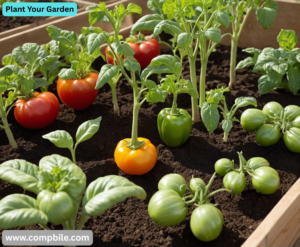
How to Plant:
- Read the Seed Packet: It tells you everything: planting depth, spacing, and days to harvest.
- Plant at the Right Time: Don’t plant too early! Wait until the danger of frost has passed for warm-weather crops like tomatoes and peppers. Peas and lettuce can be planted in early spring.
- Water Gently: After planting, water the soil thoroughly but gently so you don’t wash the seeds away.
Step 6: Care for Your Growing Garden
- Watering: Vegetables need consistent moisture, about 1 inch of water per week. It’s better to water deeply and less frequently than to sprinkle every day. Water at the base of the plants, not the leaves, to prevent disease.
- Weeding: Weeds compete with your veggies for water and nutrients. Pull them when they’re small and the soil is moist. Mulching is the best way to prevent them.
- Mulching: Spread a 2-3 inch layer of straw, shredded leaves, or wood chips around your plants. Mulch suppresses weeds, retains moisture, and keeps soil cool.
- Feeding (Fertilizing): If you used compost, you might not need much extra. For heavy feeders like tomatoes, you can use an organic fertilizer (like fish emulsion or compost tea) every few weeks.
Harvest Your Bounty
- Harvest often! Picking vegetables encourages the plant to produce more. This is especially true for beans, zucchini, and lettuce.
- Harvest in the morning when plants are crisp and full of water.
Leveling Up: Beyond the Basics
Soil Science: It’s All About the Life Underground
- How to Start a Vegetable Garden Think of soil not as dirt, but as a living ecosystem. Your job is to be a steward of that ecosystem.
- The Soil Texture Test: Grab a handful of moist (not wet) soil and squeeze it.
- It forms a tight ball that doesn’t crumble? You have clay soil (rich in nutrients but slow-draining).
- It falls apart immediately and feels gritty? You have sandy soil (drains well but doesn’t hold nutrients).
- It holds its shape briefly then crumbles easily? You have loam—the gardener’s gold!
Amending Your Soil Type:
- For Clay: Add compost and coarse sand or gypsum to break up the particles and improve drainage.
- For Sand: Add compost and well-rotted manure to help it retain water and nutrients.
- The No-Dig Method (No-Till): A revolutionary approach that minimizes disturbance to the soil ecosystem. Instead of tilling, you layer compost and mulch on top. The worms and microorganisms naturally incorporate it, creating rich, fluffy soil without the back-breaking work.
Advanced Planting Strategies
- Succession Planting: Maximize your harvest by replanting an area as soon as one crop is finished.
- Example: After harvesting your spring radishes and lettuce (which love cool weather), replant that space with warm-weather beans or zucchini.
- Interplanting (Intercropping): Grow fast-maturing plants between slower-maturing ones.
- Example: Plant radishes between your tomato seedlings. The radishes will be harvested and gone long before the tomatoes need the space.
- Companion Planting: While some benefits are anecdotal, some combinations are proven winners.
- The Three Sisters: A classic Native American method: Corn provides a stalk for beans to climb. Beans fix nitrogen in the soil to feed the corn. Squash spreads along the ground, shading out weeds.
- Basil with Tomatoes: Said to improve flavor and may help repel pests.
- Marigolds & Nasturtiums: These are not just pretty! They are workhorses for repelling pests like aphids and nematodes. Plant them throughout your garden.
Watering Like a Pro
- How to Start a Vegetable Garden The Finger Test: The best moisture meter is your finger. Stick it 2-3 inches into the soil. If it’s dry, it’s time to water.
- Deep Watering vs. Surface Sprinkling: Shallow watering encourages roots to stay near the surface, making plants vulnerable to drought. Watering deeply and less frequently encourages strong, deep root systems.
- Drip Irrigation & Soaker Hoses: This is the most efficient method. It delivers water directly to the base of the plant, minimizing evaporation and preventing water from sitting on leaves (which can cause disease).
Creative Solutions for Small & Unconventional Spaces
- Don’t have a big, sunny backyard? No problem!
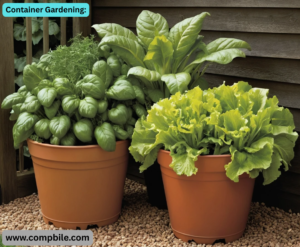
Container Gardening:
- Container Size Matters: Herbs and lettuce can live in a 6-8″ deep pot. Peppers need at least 2-3 gallons. A single tomato or zucchini needs a minimum of a 5-gallon bucket (with drainage holes drilled in the bottom!).
- Potting Mix is Key: Do not use garden soil in containers. It compacts and suffocates roots. Use a high-quality potting mix, which is designed to be light and fluffy for container growth.
Vertical Gardening:
- Use trellises, arches, cages, and hanging baskets to grow up.
- Great for: Cucumbers, pole beans, peas, small melons, and even tomatoes.
- Community Gardens: Rent a plot in a local community garden. It’s a fantastic way to get space, sunlight, and learn from experienced gardeners in your neighborhood.
Troubleshooting: The Gardener’s Reality
- Things will go wrong. It’s not a failure; it’s a learning opportunity.
Pests:
- How to Start a Vegetable Garden Aphids: Blast them off with a strong jet of water from your hose. Introduce ladybugs (natural predators).
- Tomato Hornworms: Large, green caterpillars. Pick them off by hand (gloves help!).
- Squirrels/Birds: Netting is often the most effective solution for protecting fruit.
- General Rule: Identify the pest first, then choose the least toxic method of control. Often, healthy plants can outgrow minor pest damage.
Diseases:
- Powdery Mildew (white powder on leaves): Improve air circulation, avoid wetting leaves when watering. A spray of 1 part milk to 9 parts water can help.
- Blossom End Rot (dark, leathery spot on tomato bottoms): It’s a calcium deficiency caused by inconsistent watering. Keep soil evenly moist; mulch heavily.
Environmental Problems:
- Blossoms Dropping, No Fruit: Often caused by extreme heat or lack of pollination. Encourage pollinators by planting flowers. You can also hand-pollinate squash and zucchini with a small paintbrush.
- Leggy, Weak Seedlings: Not enough light. If starting seeds indoors, use a grow light placed just a few inches above the plants.
The Gardener’s Mindset
- Observe: Spend time in your garden just looking. Notice which plants are thriving, which are struggling, and what insects are visiting. Your garden will tell you what it needs.
- Experiment: Try one new thing each season. A new heirloom tomato variety, a different planting technique, a new herb. This is how you learn what works best for your unique garden.
- Keep a Garden Journal: Note what you planted, where you planted it, the date, and how it performed. This is invaluable information for planning next year’s garden. You’ll never have to guess which tomato was your favorite again.
- Accept Losses: You will lose plants. Everyone does. It’s not a reflection of your skill; it’s part of gardening. Learn from it and try again.