
Automatic Cat Feeder Of course! An automatic cat feeder is a fantastic device that provides convenience, consistency, and portion control for your cat’s meals. Here’s a comprehensive guide covering everything you need to know, from types and key features to top recommendations.
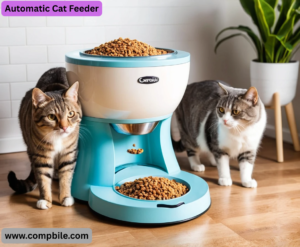
Part 1: Why Buy an Automatic Cat Feeder?
- Consistency & Routine: Cats thrive on routine. A feeder provides meals at the exact same time every day, even on weekends or if you’re running late.
- Portion Control: Crucial for weight management. Prevents overfeeding and helps with diet plans.
- Convenience for Owners: Sleep in on weekends, work late, or go out for the day without worrying about your cat’s next meal.
- Medication & Special Diets: Perfect for cats that need medication mixed with food or multiple small meals throughout the day.
- Reduces Begging: Cats learn that food comes from the machine, not from pestering you.
Part 3: Key Features to Consider
- Power Source: Most use AC power with battery backup. Battery backup is essential to prevent malfunctions during a power outage.
- Food Capacity: Ranges from 1-2 cups to over 20 cups. Choose based on how many meals you need it to hold and how many cats you have.
- Meal & Portion Customization: Look for feeders that allow you to set at least 4+ meals per day with precise portion control (e.g., in 1/8 or 1/4 cup increments).
- Food Compatibility: Most are designed for dry kibble. Some can handle semi-moist food, but very few handle wet food reliably due to spoilage.
- Voice Recorder: A nice feature that allows you to record a short message (e.g., “Come and eat, kitty)
- Dish Design: A removable, dishwasher-safe bowl makes cleaning easy. Some have “slow feed” designs or low-profile bowls for better cat comfort.
- Locking Mechanism: A secure lid and food reservoir are vital to keep clever and curious cats from breaking in (“cat-proofing”).
Part 4: Top Automatic Feeder Recommendations (2024)
Best Overall: PETLIBRO Air/GRAM Connect Smart Feeder
Type: Smart Wi-Fi
- Why it’s great: Reliable app control, customizable portion control (up to 10 meals/day), voice recording, large 4L capacity, and a sleek design. It strikes the perfect balance of features and price.
- Best for: Tech-savvy owners who want reliable remote control and scheduling.
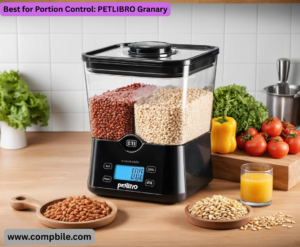
Best for Portion Control: PETLIBRO Granary
Type: Programmable (Digital)
- Why it’s great: Excellent, precise portion control with a unique spiral dispensing mechanism. Easy-to-use LCD screen, 5L capacity, and a sealed lid to keep food fresh.
Best for: Cats on strict diets or weight management plans.
- Best for Multi-Cat Homes: SureFeed Microchip Pet Feeder
Type: Selective Feeder - Why it’s great: The gold standard for selective feeding. It reads your cat’s implanted microchip or an RFID collar tag, only opening the lid for the authorized cat.
- Best for: Stopping food theft in households with cats on different diets.
Best Budget Option: WOPET Automatic Feeder
Type: Programmable (Digital)
- Why it’s great: An affordable entry into programmable feeders. Offers 4 meal times, voice recording, and a decent capacity. A great value for basic, reliable scheduled feeding.
- Best for: Owners wanting scheduled meals without the high cost of a smart feeder.
Part 5: Tips for Transitioning Your Cat
- Set It Up in Advance: Place the feeder in your cat’s usual eating spot a week before relying on it. Let them investigate it while it’s off.
- Start with Treats: Run a few test cycles with your cat’s favorite treats to create a positive association.
- Use the Voice Feature: If it has one, record your voice to help call them to the new food source.
- Supervise the First Meals: Be present for the first few automated feedings to ensure your cat is comfortable and the feeder is working correctly.
- Maintain a Cleaning Schedule: Clean the bowl regularly and wipe out the food reservoir every 1-2 weeks to prevent stale food and bacteria buildup.
Part 6: Advanced Considerations & Niche Scenarios
Wet Food & Ice Packs
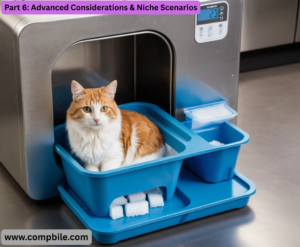
- Most automatic feeders are not designed for wet food due to rapid spoilage. However, solutions exist:
- Specialized Wet Food Feeders: Brands like Cat Mate make feeders with integrated ice packs and insulated food chambers. These are timer-based and can typically hold 2-3 meals, keeping the food cool for several hours.
- How they work: You pre-load the meals, and the timer rotates a carousel or opens a compartment at the set time. The ice pack sits underneath or around the bowls.
- Limitations: Not true “smart” feeders. Capacity is limited, and they require daily reloading and ice pack freezing. Best for predictable schedules where you can prep it each morning.
. The “Hack-Proof” Feeder: Dealing with Clever Cats
- Some cats are engineers in disguise. They will learn to tip, pry, or even disassemble the feeder to get to the food.
Look for:
- Low Center of Gravity: A wide, heavy base is harder to tip over.
- Secure Latches: Lids that screw on or have locking clips are better than simple snap-on lids.
- Material: Hard, slick plastic is harder for cats to get a grip on than rubberized or textured materials.
- DIY Solutions: You can place the feeder inside a larger, heavy-bottomed tray or secure it to the wall/floor using industrial-strength Velcro (if the design allows).
Power & Reliability: The Ultimate Worry
“What if it fails and my cat starves?”
- Battery Backup is Non-Negotiable: Always use the recommended batteries as a backup, even if you plug it into an outlet. A power outage could otherwise skip a meal.
- Redundancy is Key: For ultimate peace of mind, especially with smart feeders, don’t set it to dispense 100% of your cat’s daily food. Leave out a small, separate portion of kibble in a puzzle toy or a simple bowl as a backup. This ensures your cat has something to eat if the feeder fails.
- App Notifications: High-end smart feeders will send an alert to your phone if a meal fails to dispense or if the power is lost.
Multi-Pet Households (Without Selective Feeders)
- If you don’t want to invest in multiple selective feeders, you can manage:
- Strategic Placement: Place feeders in separate rooms and use microchip-activated pet doors to allow only the designated cat entry.
- Supervised Feeding: Use the programmable feeders but only run them when you are home to supervise, separating the cats during mealtimes.
- Different Feeding Heights: Place one cat’s feeder on a high surface (like a cat tree) that only the agile cat can reach, while the
other’s remains on the floor.
- Part 8: Beyond the Feeder: Integrating with Other Tech
An automatic feeder can be part of a larger “smart pet” ecosystem. - Smart Cameras: Pair your feeder with a Wi-Fi pet camera (like a Furbo or Petcube). You can watch the feeding happen live, dispense a treat manually, and ensure the right cat is eating.
- Smart Water Fountains: Ensure your cat has fresh water with a Wi-Fi water fountain that alerts you when the water level is low.
- Smart Litter Boxes: Monitor your cat’s health by tracking weight and usage frequency with a smart litter box. Combined with feeder data, you get a holistic view of their intake and output.