Corona crisisIsrael Of course. The COVID-19 crisis in Israel was a significant event, marked by its rapid vaccination campaign and a series of strict lockdowns. Here is a comprehensive overview of Israel’s experience during the coronavirus pandemic.
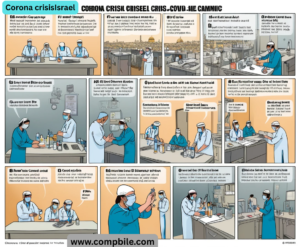
Key Phases of the Crisis
Corona crisisIsrael Early Response and First Lockdowns (Feb – May 2020)
- Israel acted early, closing its borders to high-risk countries in February 2020.
- The first lockdown was imposed in March 2020, effectively containing the first wave. It was strict and largely successful.
- A second lockdown was imposed in September 2020 during the High Holidays (Rosh Hashanah, Yom Kippur, Sukkot) to combat a surge in cases, highlighting the challenge of balancing public health with religious and social life.
The “Vaccination Nation” Campaign (Dec 2020 – Mid 2021)
- This was Israel’s most notable phase. The government secured a massive supply of Pfizer-BioNTech vaccines through a data-sharing deal, agreeing to provide real-time data on the vaccine’s impact.
- The rollout was incredibly fast and efficient, prioritizing the elderly and at-risk groups. Israel briefly became the world leader in vaccinations per capita.
- The “Green Pass” system was introduced, a digital or paper certificate granting vaccinated people access to hotels, gyms, and cultural events. This created a strong incentive for vaccination but also raised ethical debates about “vaccine passports.”
The Delta and Omicron Waves (Mid 2021 – 2022)
- The Delta variant challenged the success of the initial vaccination campaign, leading to a surge in “breakthrough infections” among the vaccinated.
- This prompted the world’s first widespread rollout of booster shots (third doses) for the general population, a controversial but later widely adopted strategy.
- The highly contagious but less severe Omicron variant led to record-high infection rates but without a corresponding spike in severe illness and death, largely due to high immunity from vaccination and prior infection.
Transition to Endemic Management (2022 – Present)
- As immunity increased, Israel began treating COVID-19 as an endemic virus, similar to the flu.
- Most restrictions were lifted, including the Green Pass and mask mandates for most indoor spaces.
- The focus shifted to protecting high-risk populations and managing periodic waves with updated booster vaccines.
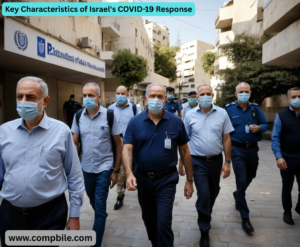
Key Characteristics of Israel’s COVID-19 Response
- Aggressive and Early Lockdowns: Israel did not hesitate to impose strict, nationwide lockdowns, often around holiday periods to prevent large family gatherings.
- Technological Surveillance: The government controversially authorized the domestic security agency (Shin Bet) to use counter-terrorism cellphone tracking technology to locate and notify individuals who may have been exposed to the virus. This raised significant concerns about privacy and civil liberties.
- Corona crisisIsrael Data-Driven and Rapid Vaccination: The deal with Pfizer made Israel a “living lab” for the world, providing crucial data on vaccine effectiveness and the need for boosters.
- Political Instability: The pandemic period was one of intense political turmoil in Israel, with four elections between 2020 and 2021. This political fragmentation often led to public confusion and inconsistent messaging, as the government struggled to maintain a stable coalition.
- Social Divisions: The crisis highlighted and exacerbated existing social fractures:
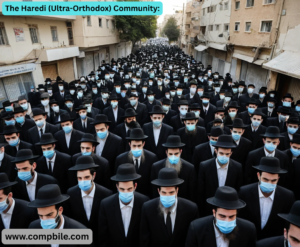
- Haredi (Ultra-Orthodox) Community: Early in the pandemic, some Haredi communities resisted lockdowns and restrictions that closed synagogues and religious schools, leading to high infection rates and tensions with the state.
- Arab-Israeli Community: There were initial concerns about information gaps and vaccine hesitancy, though these were largely addressed through community-led initiatives.
Outcomes and Lasting Impact
- Public Health: Israel experienced significant case numbers and deaths, but its high vaccination rate ultimately prevented a much larger catastrophe. The rapid booster campaign was pivotal in managing the Delta wave.
- The tech sector proved resilient.
- Society and Trust: The pandemic eroded public trust in the government for many, due to the political chaos and the perceived heavy-handedness of some measures. However, trust in the healthcare system and scientists remained relatively high.
- Global Model: Israel’s experience provided invaluable, real-world data on vaccine efficacy, waning immunity, and the effectiveness of boosters, influencing public health policies worldwide.
The “Start-Up Nation” vs. The Pandemic: A Tale of Two Israels
- The response can be seen as a conflict between the “high-tech Israel” and the “traditional Israel,” with a fractured political system struggling to bridge the gap.
The Game-Changer: The Pfizer-Israel Data Deal
This was the cornerstone of Israel’s strategy and deserves a closer look.
- The Deal: Israel paid a premium price for a massive and early supply of Pfizer-BioNTech doses. In return, it agreed to provide Pfizer with extensive, anonymized, real-time data on the vaccination campaign’s impact. This included infection rates, hospitalizations, and side effects broken down by age, gender, and pre-existing conditions.
Why it Mattered:
- For Israel: It secured life-saving vaccines months ahead of most other countries.
- For the World: Israel became a “real-world laboratory.” The data it generated was crucial for proving the vaccine’s real-world effectiveness, understanding waning immunity, and making the case for booster shots.
- The “Green Pass” (Vaccine Passport): This was the domestic tool to leverage the vaccination campaign. It created a two-tiered society, granting freedoms to the vaccinated (and later, the recovered) that were denied to the unvaccinated. This was highly effective as a motivator but sparked intense ethical and legal debates about civil liberties and medical coercion.
The Controversies and Social Fractures
- The pandemic acted as a stress test for Israeli society, exposing and widening its existing cracks.
The Haredi (Ultra-Orthodox) Community:
- The Conflict: The lockdowns directly clashed with core religious practices: mass prayers in synagogues, large yeshiva (religious school) study sessions, and massive weddings and funerals.
- Corona crisisIsrael The Outcome: Widespread non-compliance in certain communities led to extremely high infection rates. This created a major point of tension with the secular majority and the state, sometimes requiring police and even military enforcement in Haredi cities like Bnei Brak.
The Arab-Israeli Community:
- Initial Challenges: Initially, there was a lack of tailored information in Arabic, leading to confusion. Vaccine hesitancy was higher at the start, fueled by mistrust of the state and misinformation.
- Successful Turnaround: Through the work of local leaders, doctors, and NGOs, trust was built. Vaccination rates in the Arab sector eventually rose to match, and in some areas, surpass the national average, a notable public health success story.
Political Instability:
- The country was in the midst of a prolonged political crisis, with four inconclusive elections between April 2019 and March 2021.
- The lack of a stable, unified government severely hampered a coherent long-term strategy.
Technological Surveillance: The Shin Bet Debate
- How it Worked: The technology, originally used to track terrorists, analyzed location data from cellphones to identify individuals who had been in close proximity to a confirmed COVID-19 carrier and order them into quarantine.
- The Pros: It was incredibly fast, potentially identifying exposures that manual contact tracing could miss.
- The Cons: It raised massive concerns about privacy, mass surveillance, and the slippery slope of using secret military tools on civilians. The Israeli Supreme Court intervened multiple times, ruling that its use required proper parliamentary oversight and should be a last resort, leading to its eventual discontinuation for the general public.
Key Lessons and Legacy
- Boosters are Vital: Israel’s data was the first to clearly show the waning efficacy of vaccines over time and the powerful protective effect of a third (booster) dose, shaping the global response to the Delta variant.
- Speed Saves Lives: The hyper-fast vaccine rollout demonstrated that speed of deployment is as critical as the vaccine itself in crushing a wave.
- Corona crisisIsrael Trust is the Ultimate Currency: The crisis showed that technological prowess and strict enforcement are not enough. Public trust in government, health authorities, and each other is essential, and this was often in short supply due to political chaos.
- Inequality Kills: The pandemic disproportionately affected low-income, Haredi, and Arab communities, highlighting pre-existing disparities in housing density, access to information, and economic resilience.